Field notes
Sign design, materials, permits, and practical advice from the shop floor.
Featured
Guides & Education
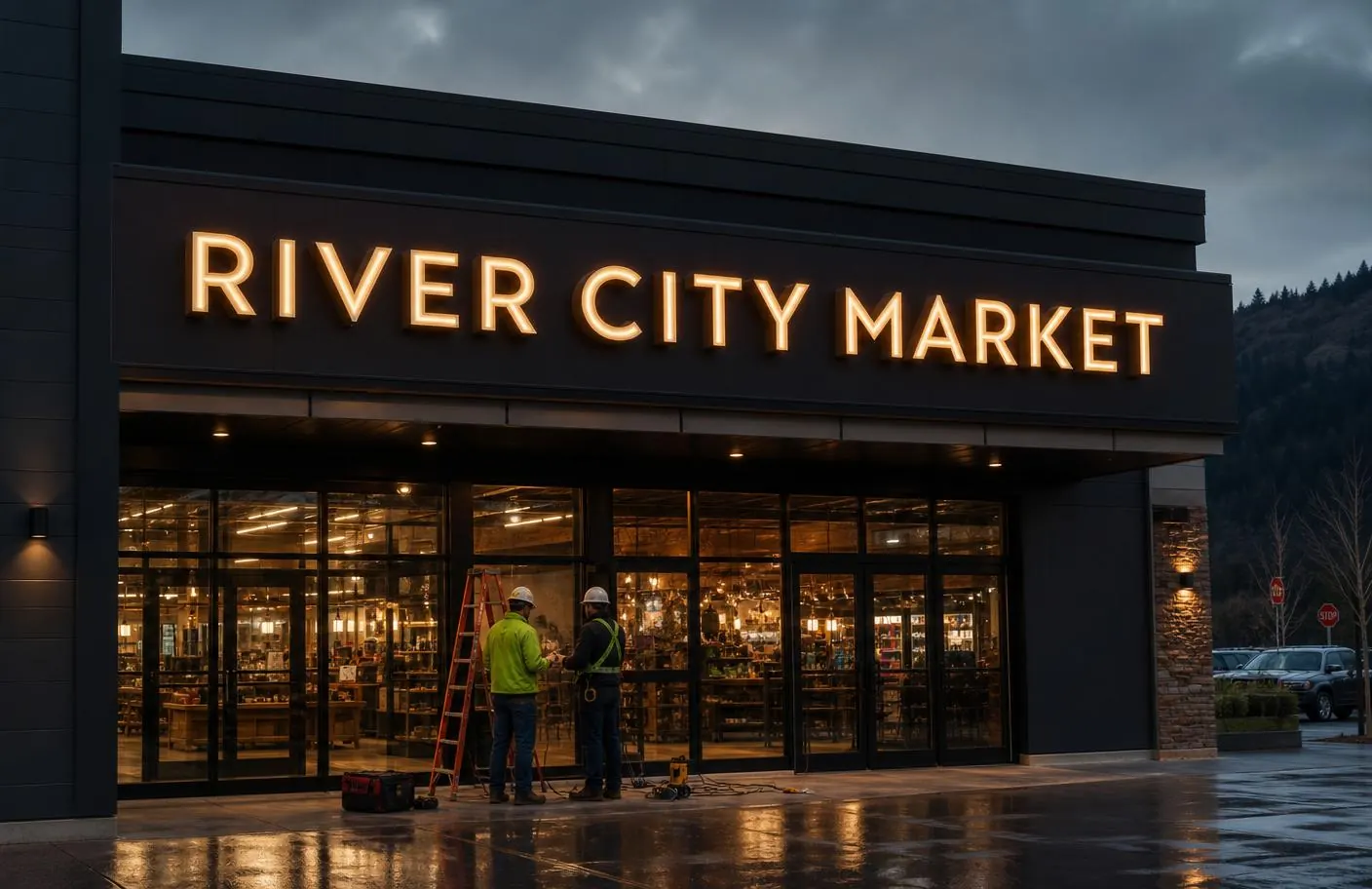
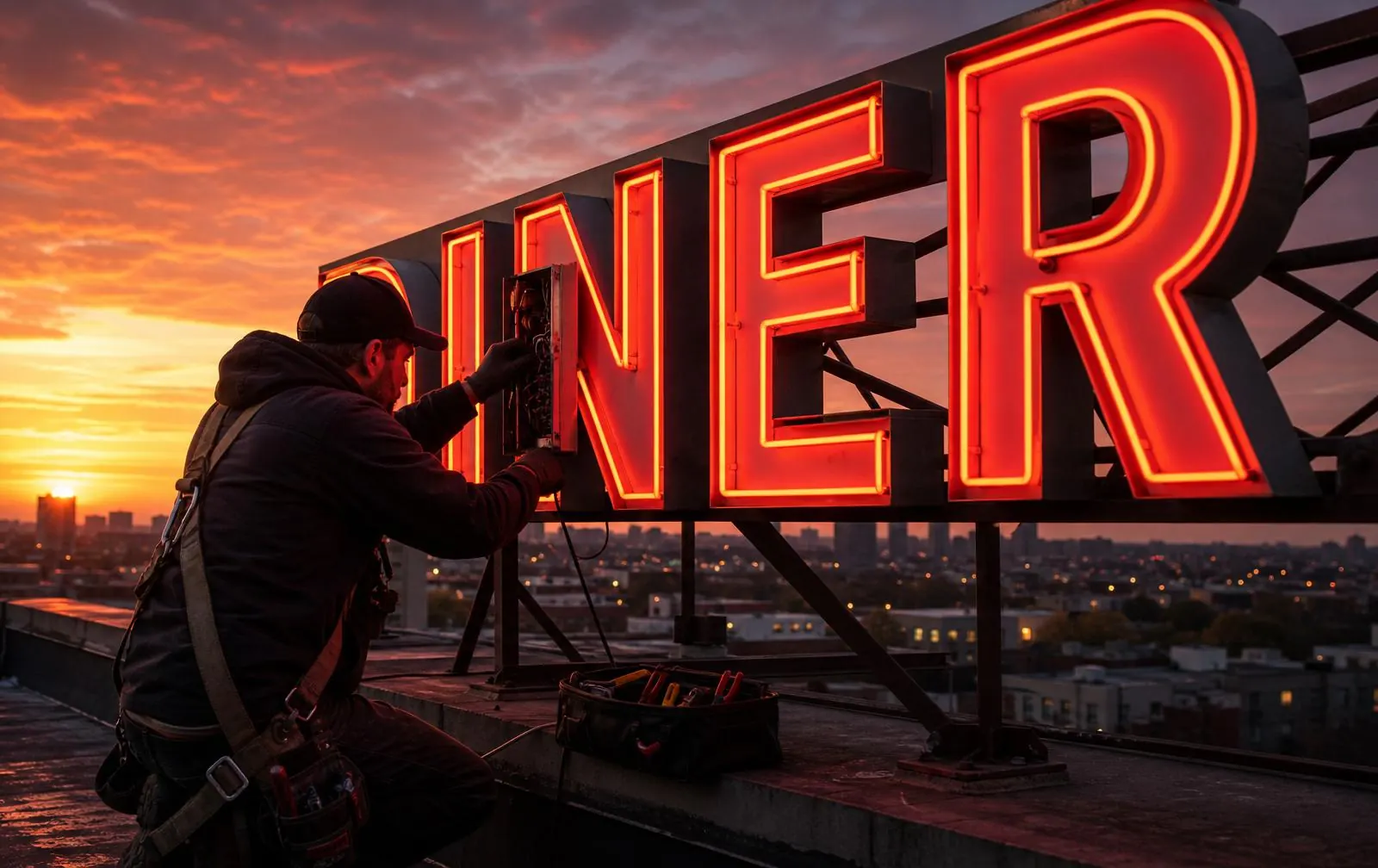
Front-lit, halo-lit, or open-face? A complete walkthrough of channel letter construction, LED lighting, mounting methods, permits, and real 2026 pricing.
Both are freestanding. Both mark your property. But the right choice depends on setback, traffic speed, and how far the driver is from your door.
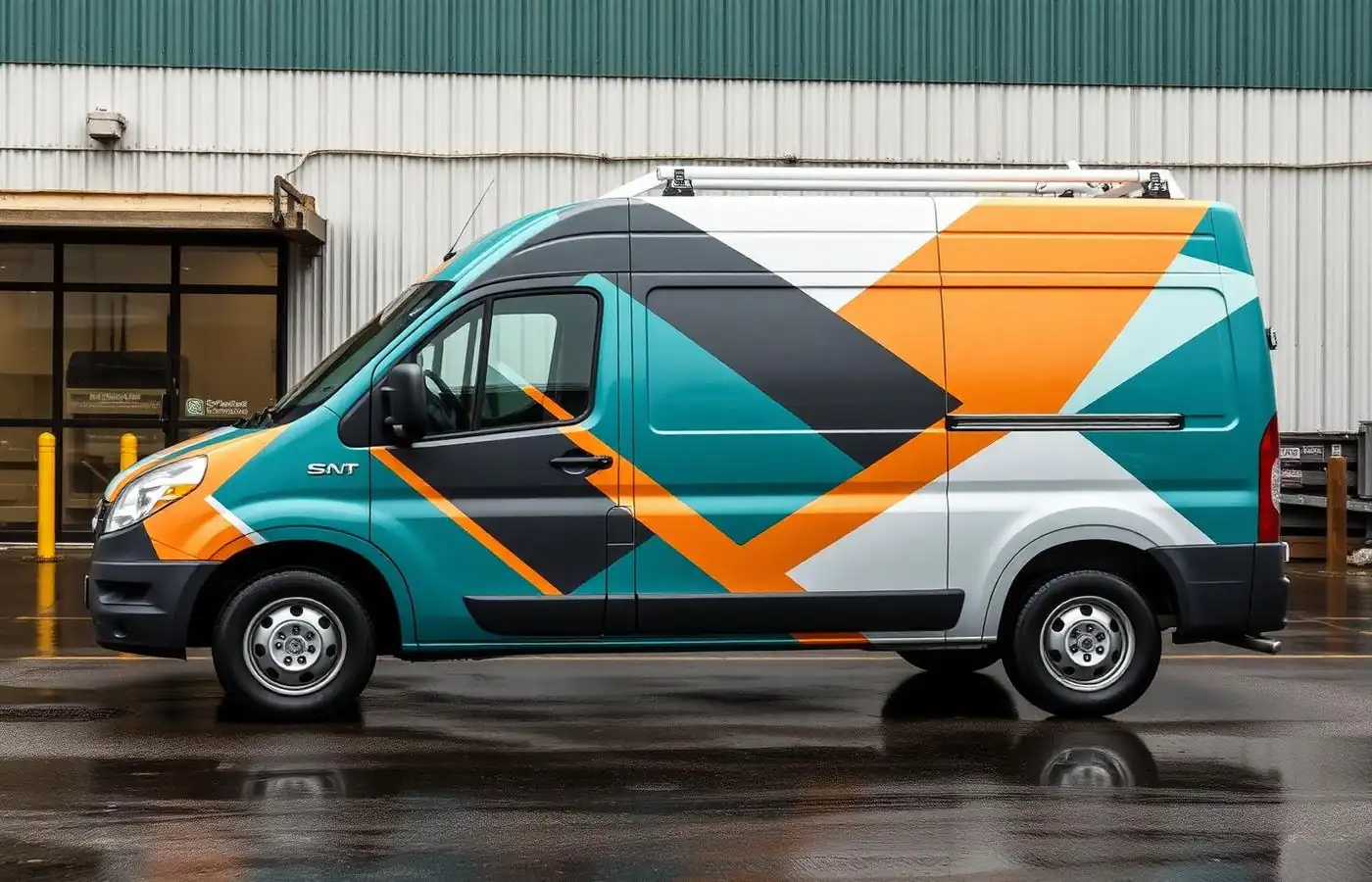
A commercial vehicle wrap generates 30,000 to 70,000 impressions a day. Here's how to spec one that lasts eight years and pays for itself in the first six months.
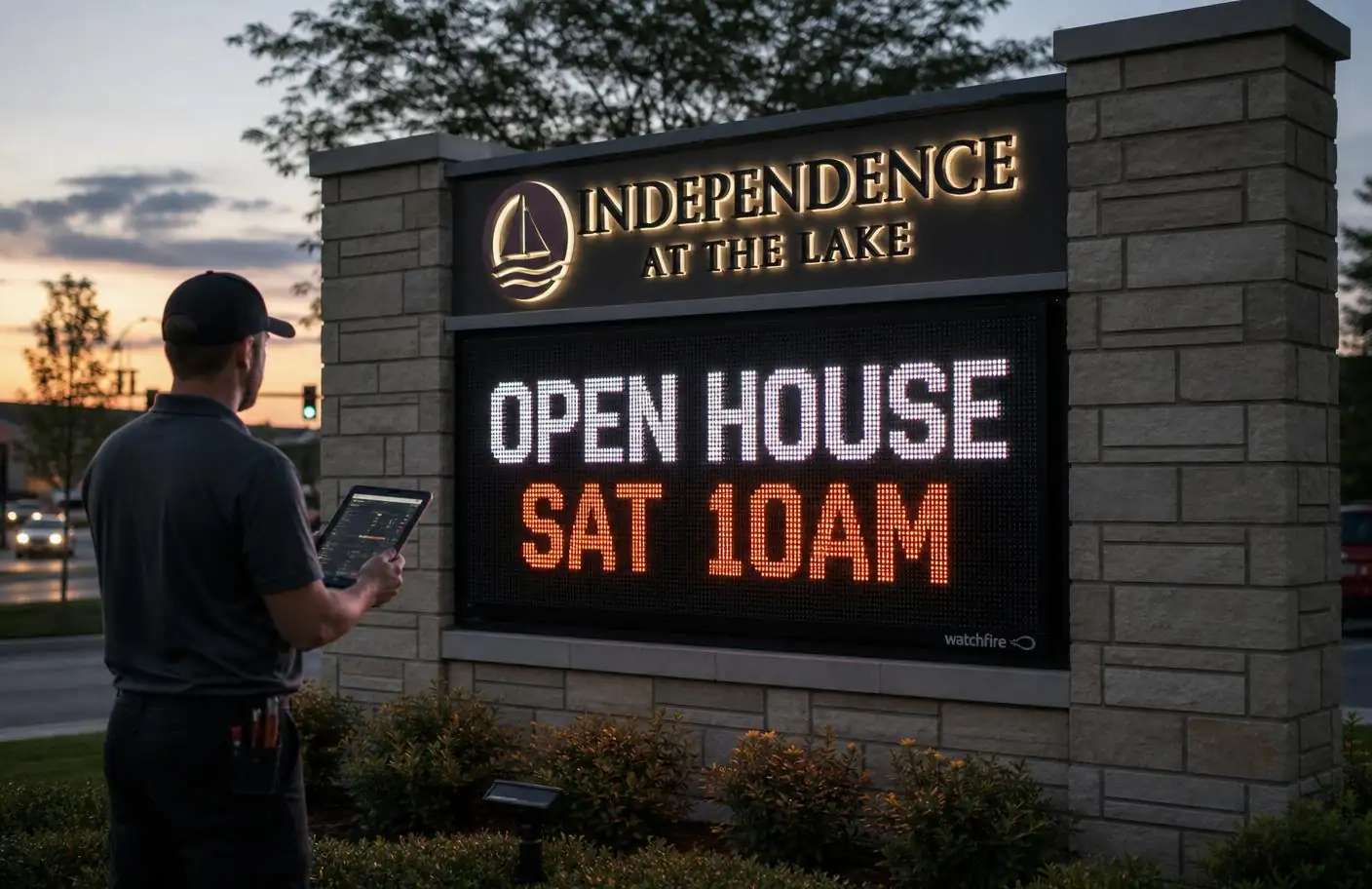
Not every LED sign is equal. Pixel pitch, brightness, and warranty separate the ones still running strong at year ten from the ones dark by year three.
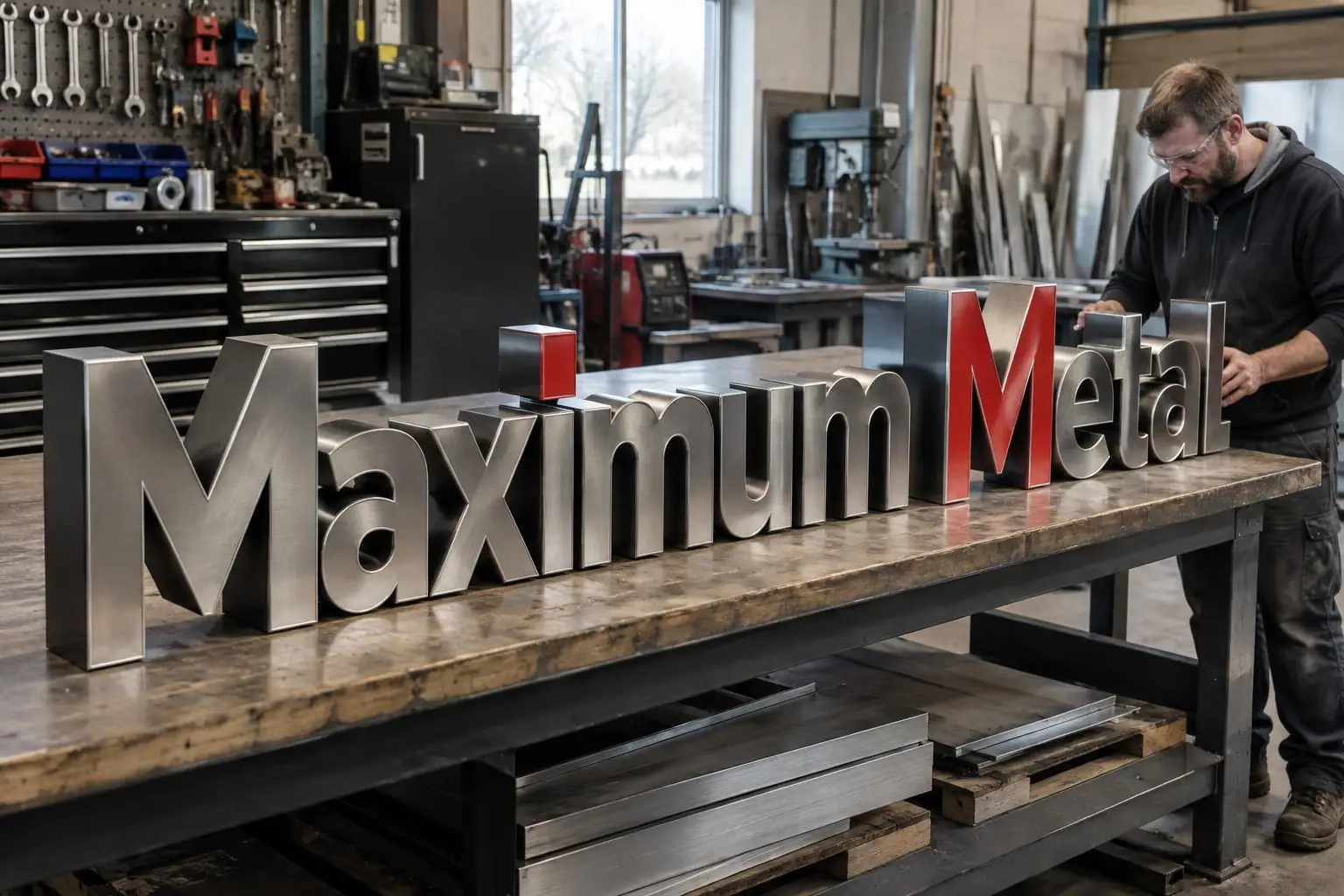
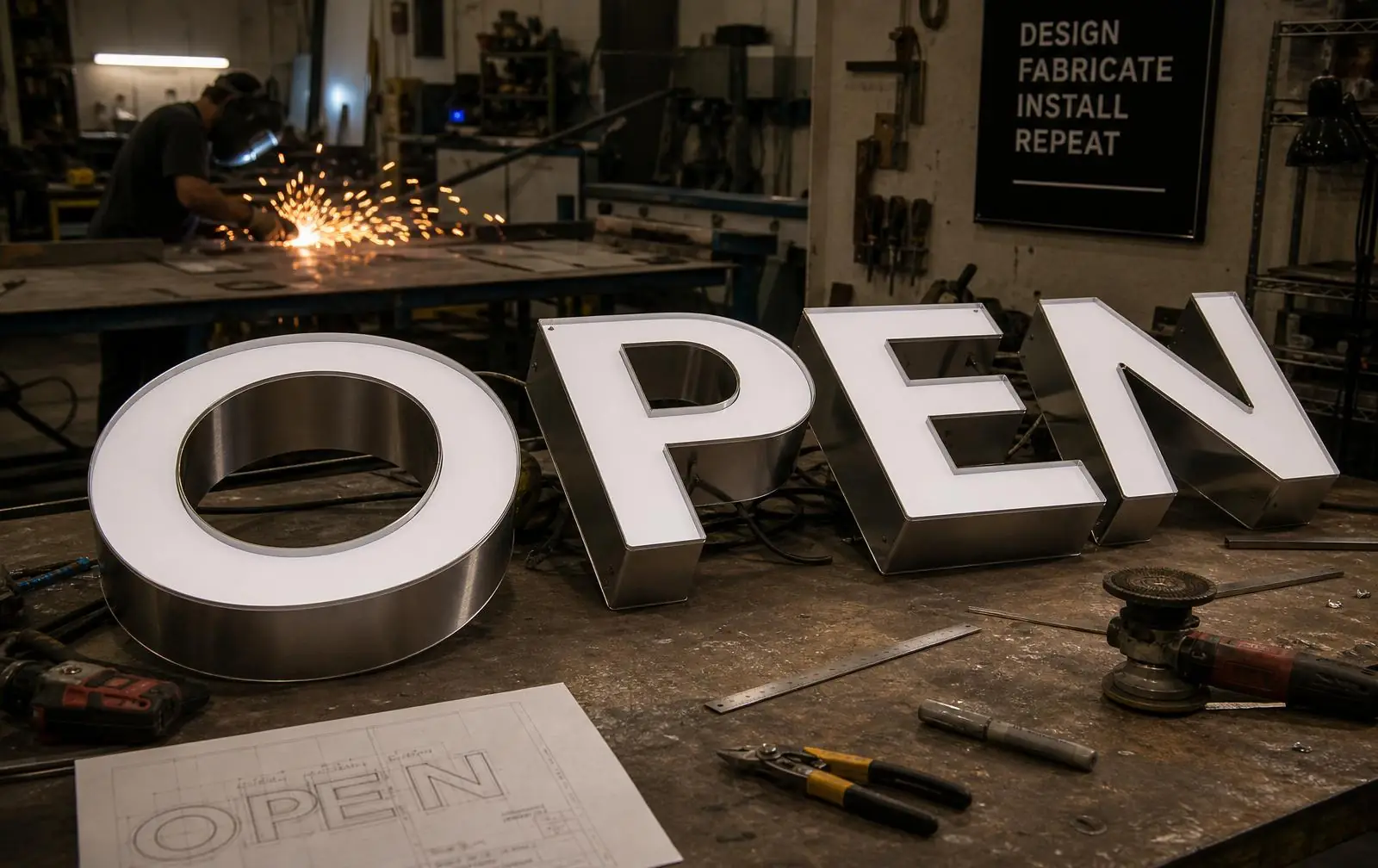
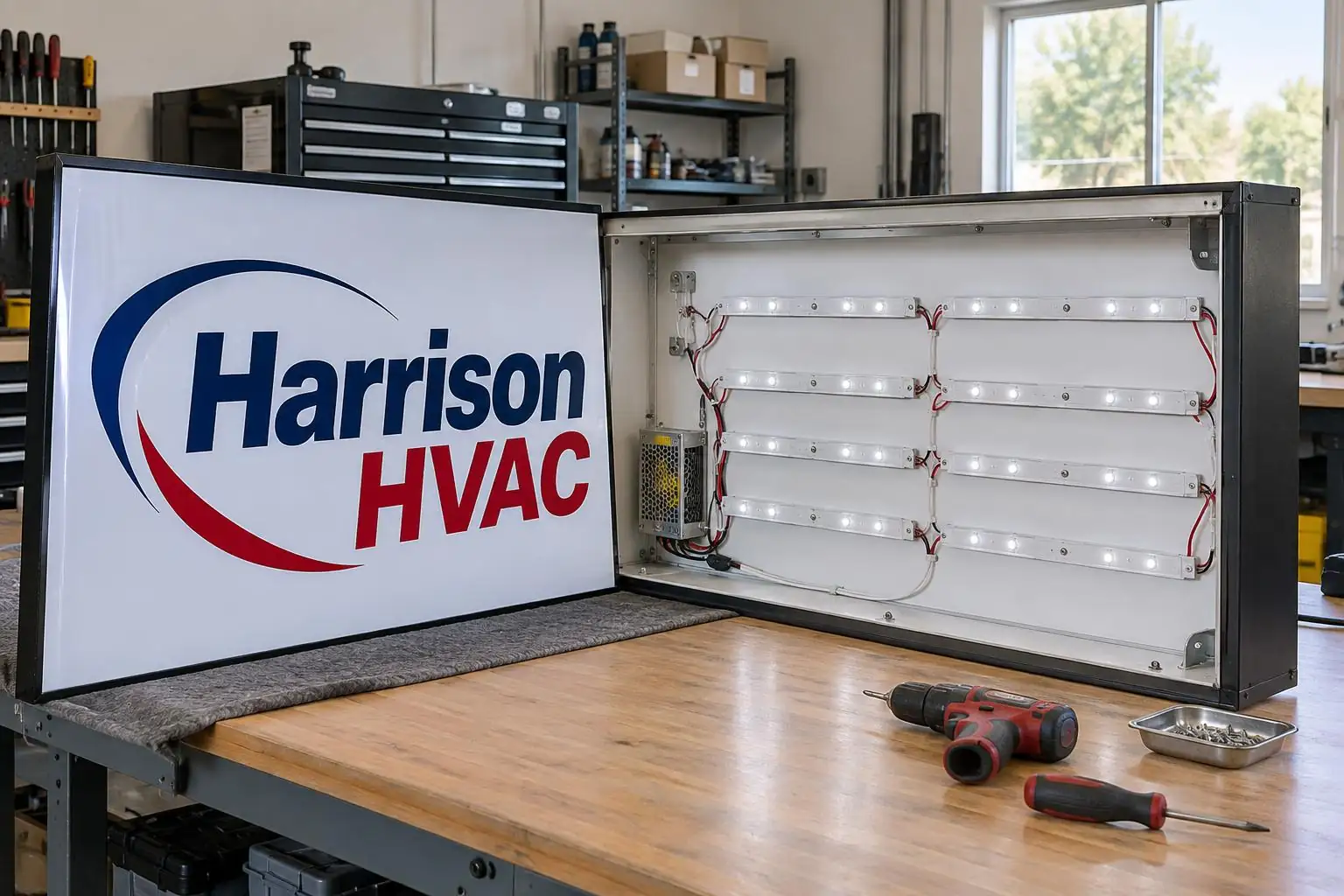
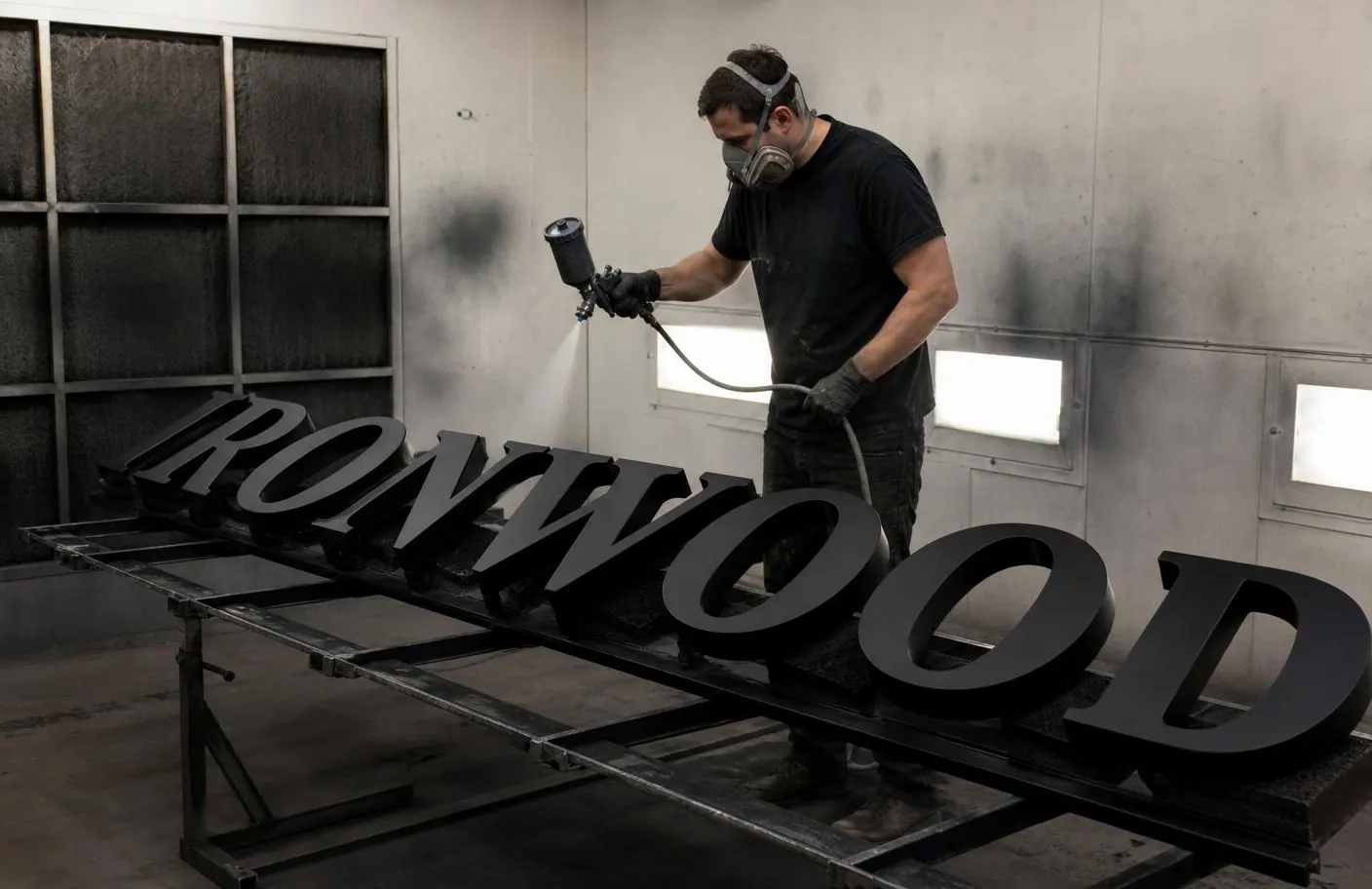
How a custom sign actually gets built — engineering drawings, CNC routing, MIG welding, powder coat, LED assembly, and pre-install QC. The choices at each step that separate a 5-year sign from a 20-year sign.
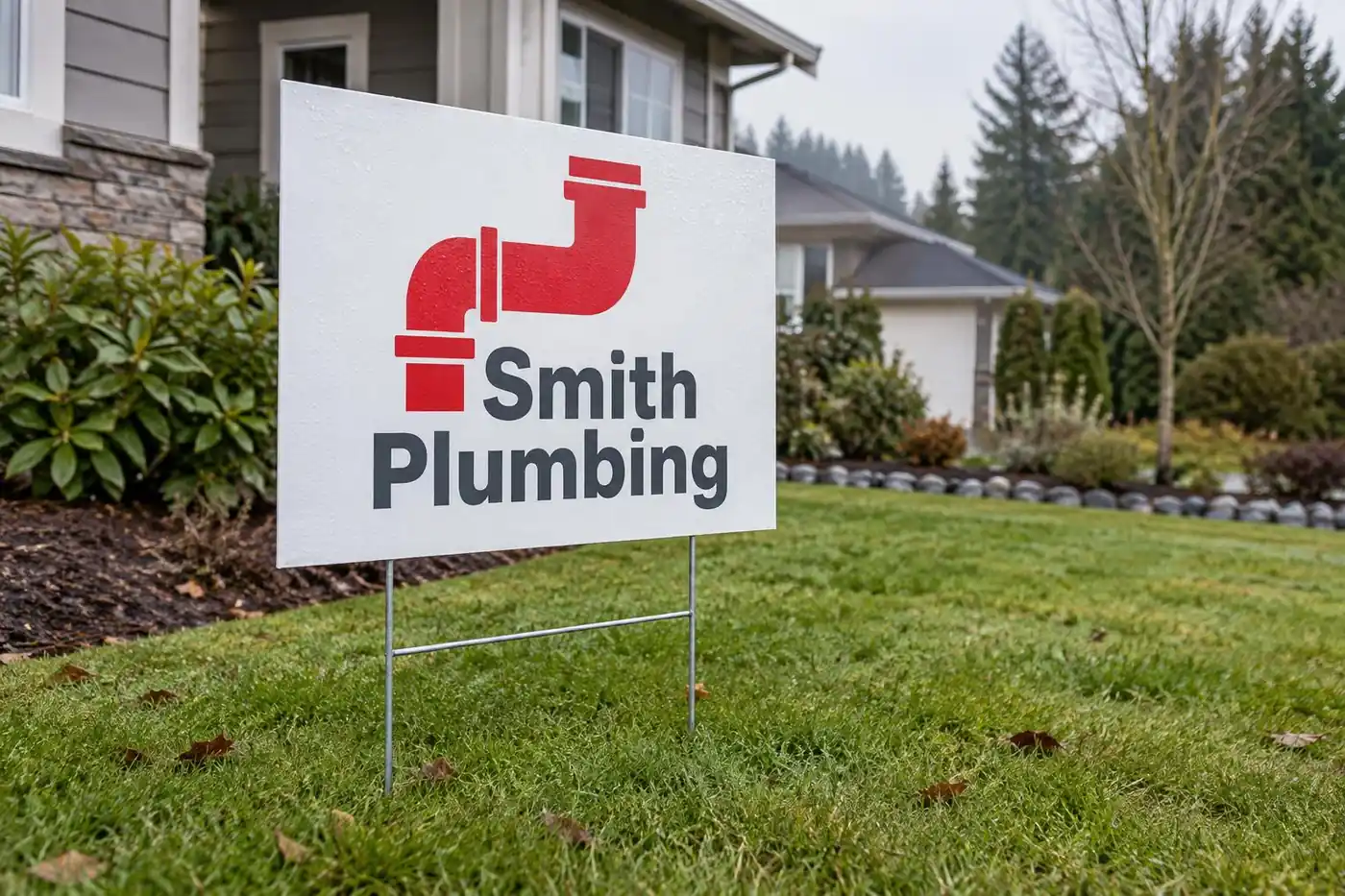
Yard signs look simple, but a sign that actually gets read follows specific rules for size, color, material, and stake choice. Here's how to spec yard signs that survive PNW weather.
Custom sign is a broad category — dimensional letters, monuments, pylons, and everything between. Here's how to narrow it down to the sign that actually fits your building and budget.
Most storefronts need more than one sign type working together. Here's how to build a layered storefront sign package that actually gets people through the door.
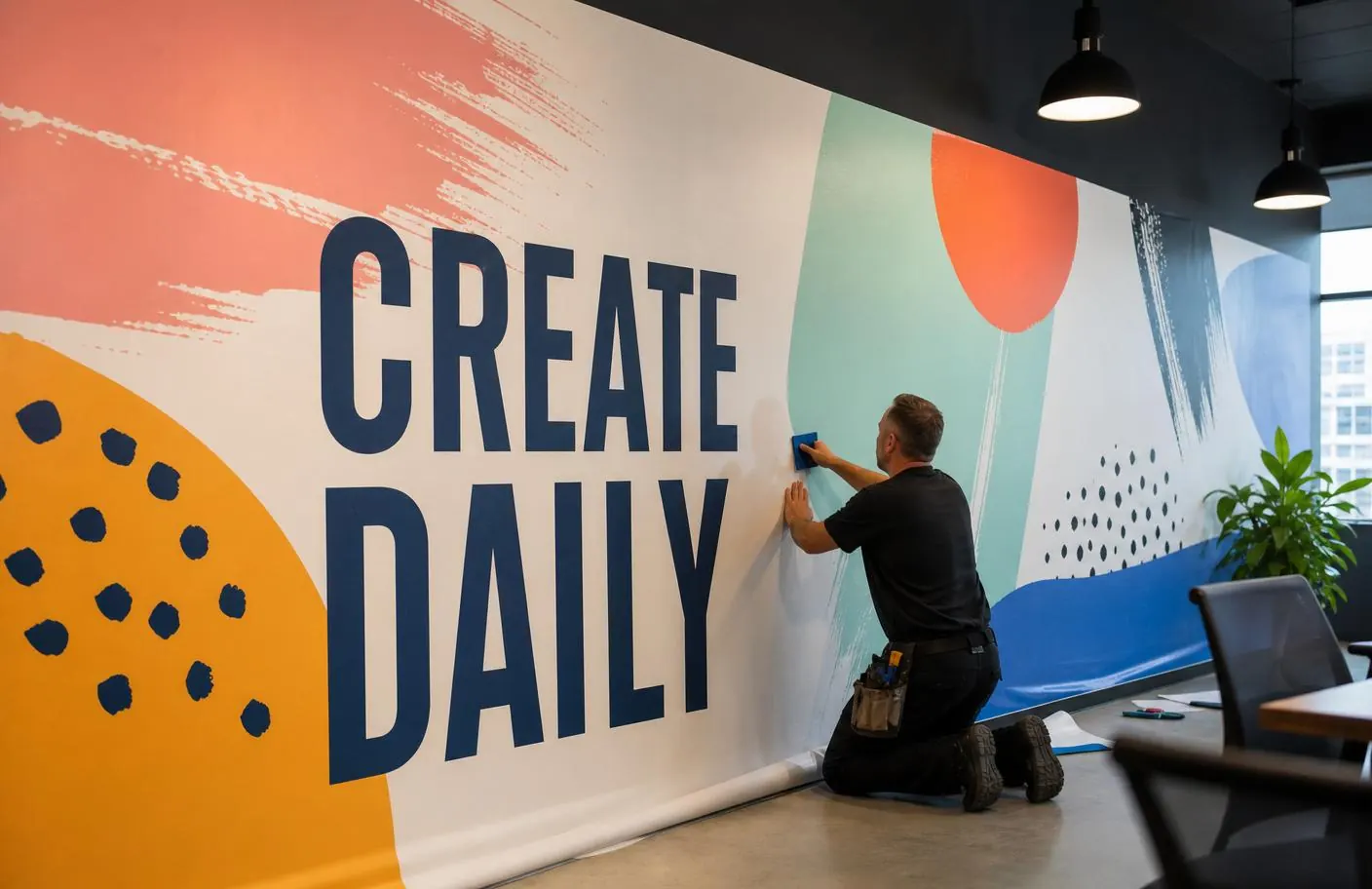
Wall graphics look simple to price from the outside — square footage times a rate. In practice, wall condition, vinyl choice, and design complexity move the number more than size does.
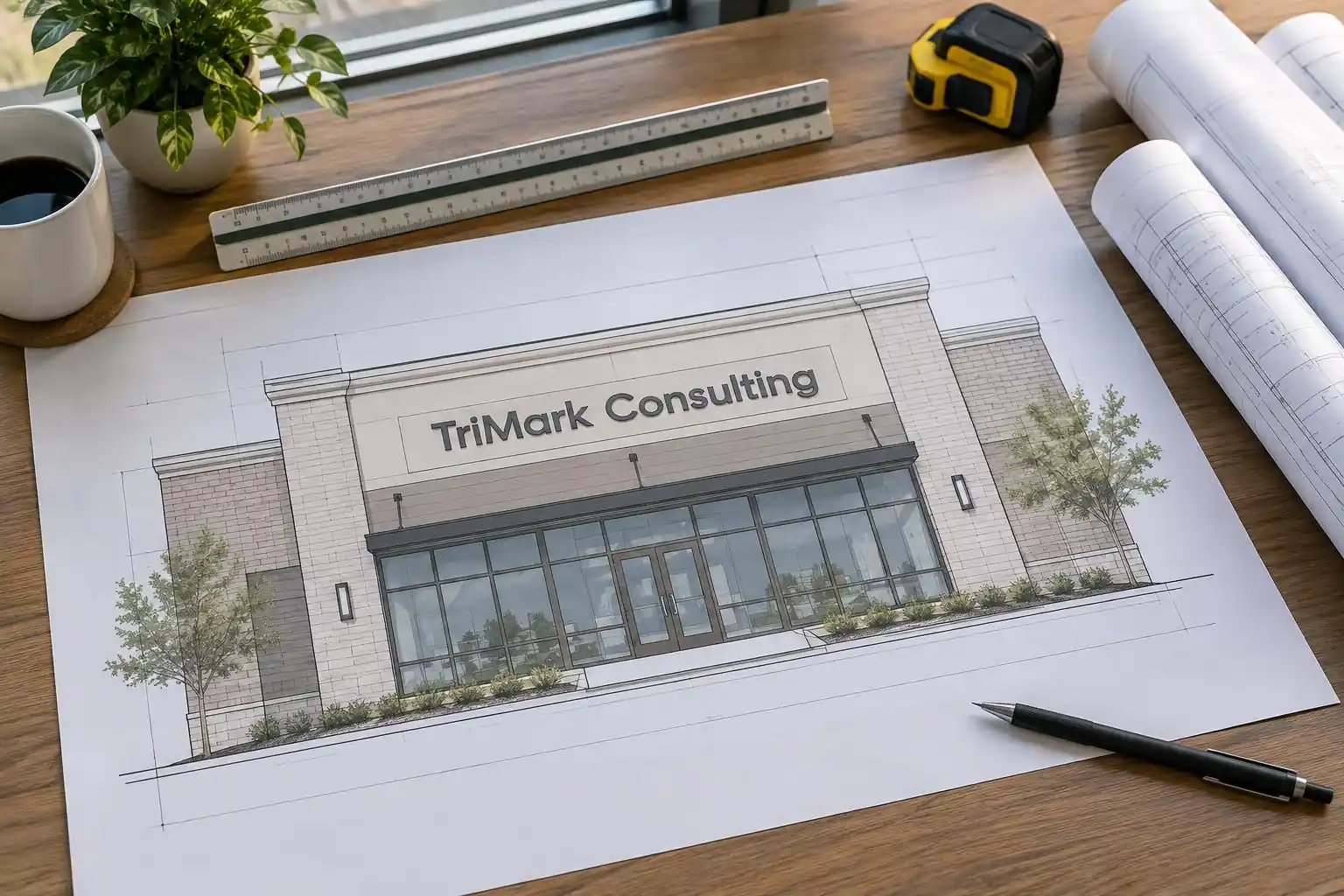
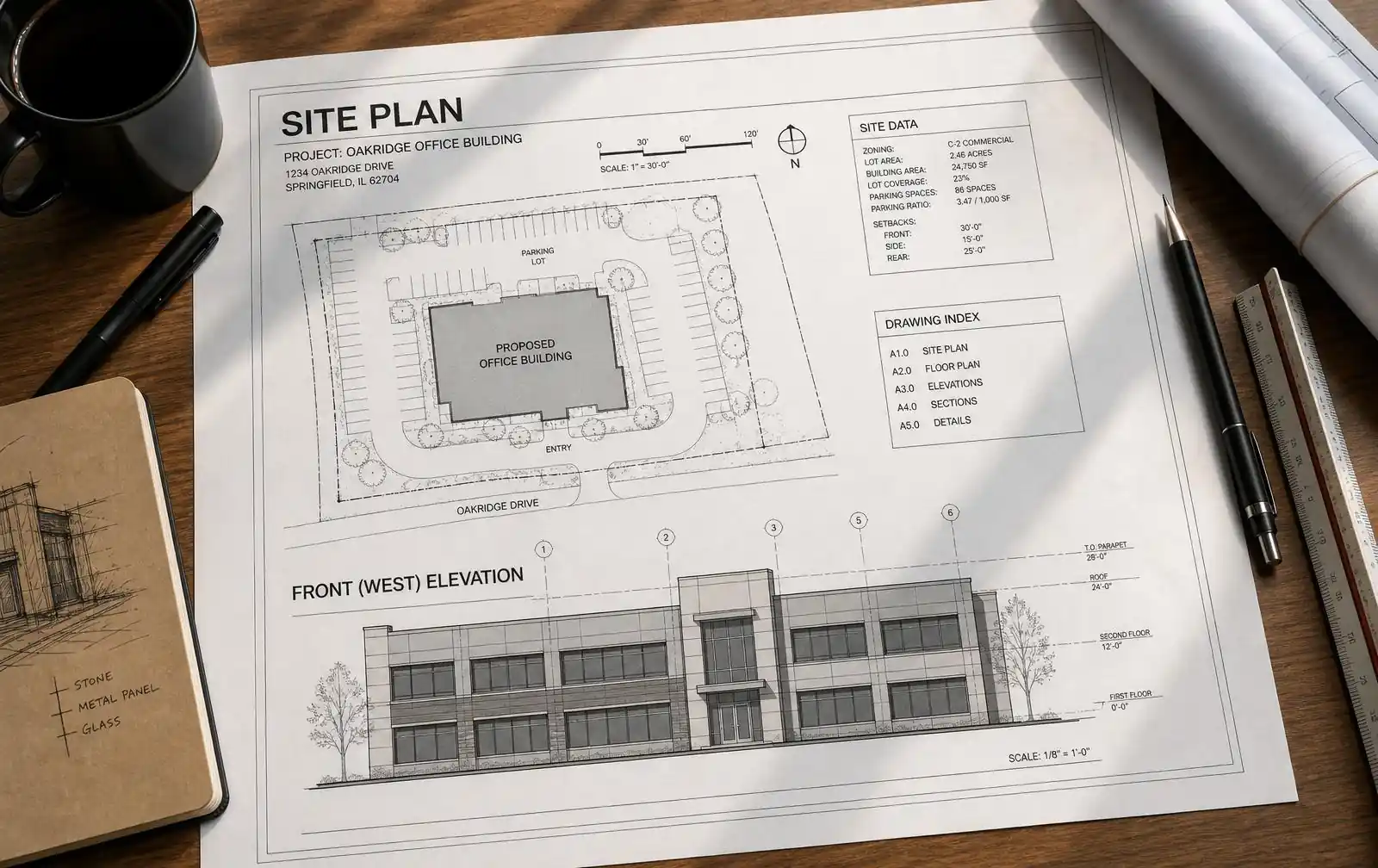
A good sign design process protects you from an expensive surprise: approving a concept that turns out to be unbuildable, oversized for code, or nothing like the rendering once it's on the wall.
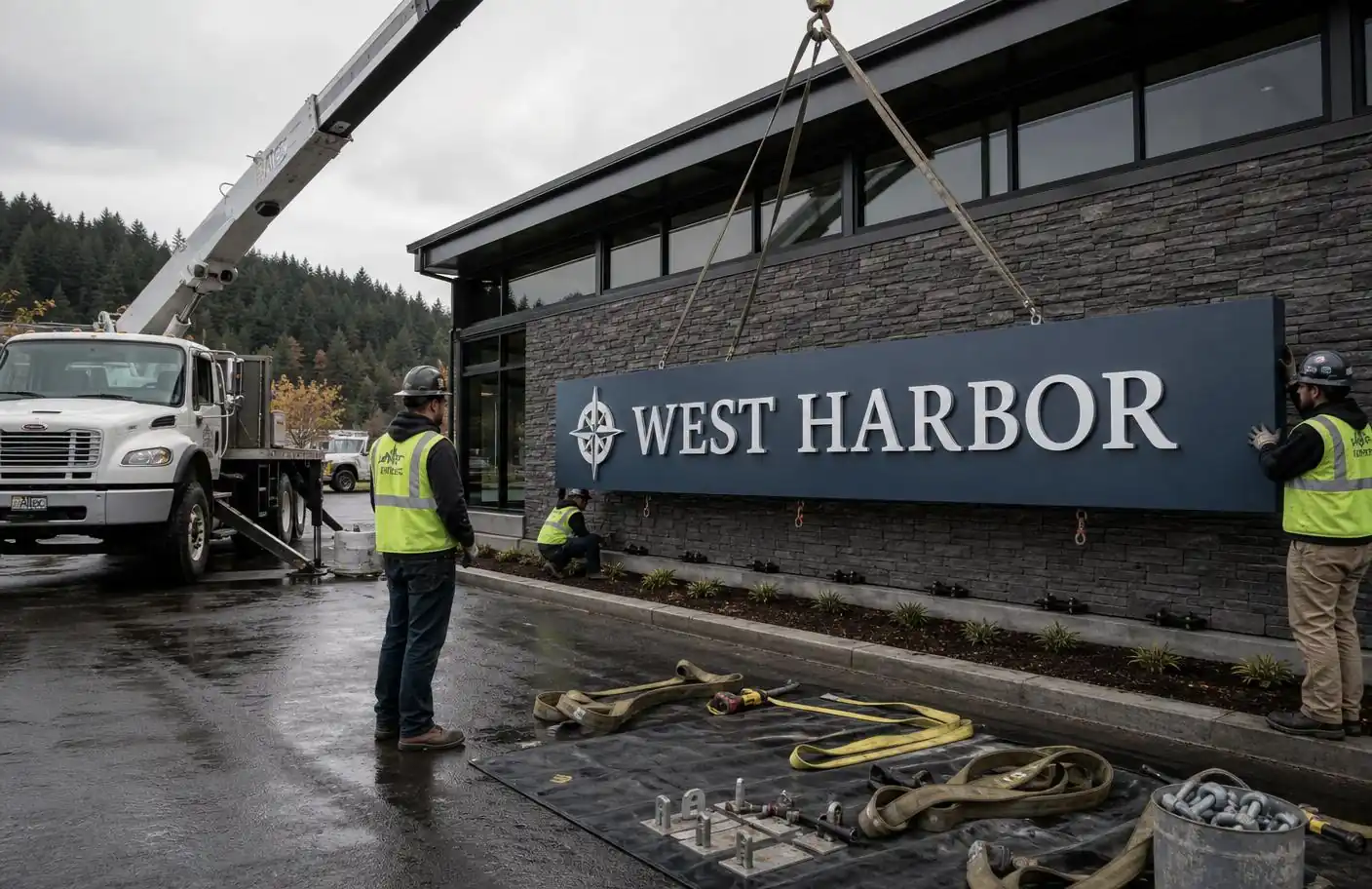
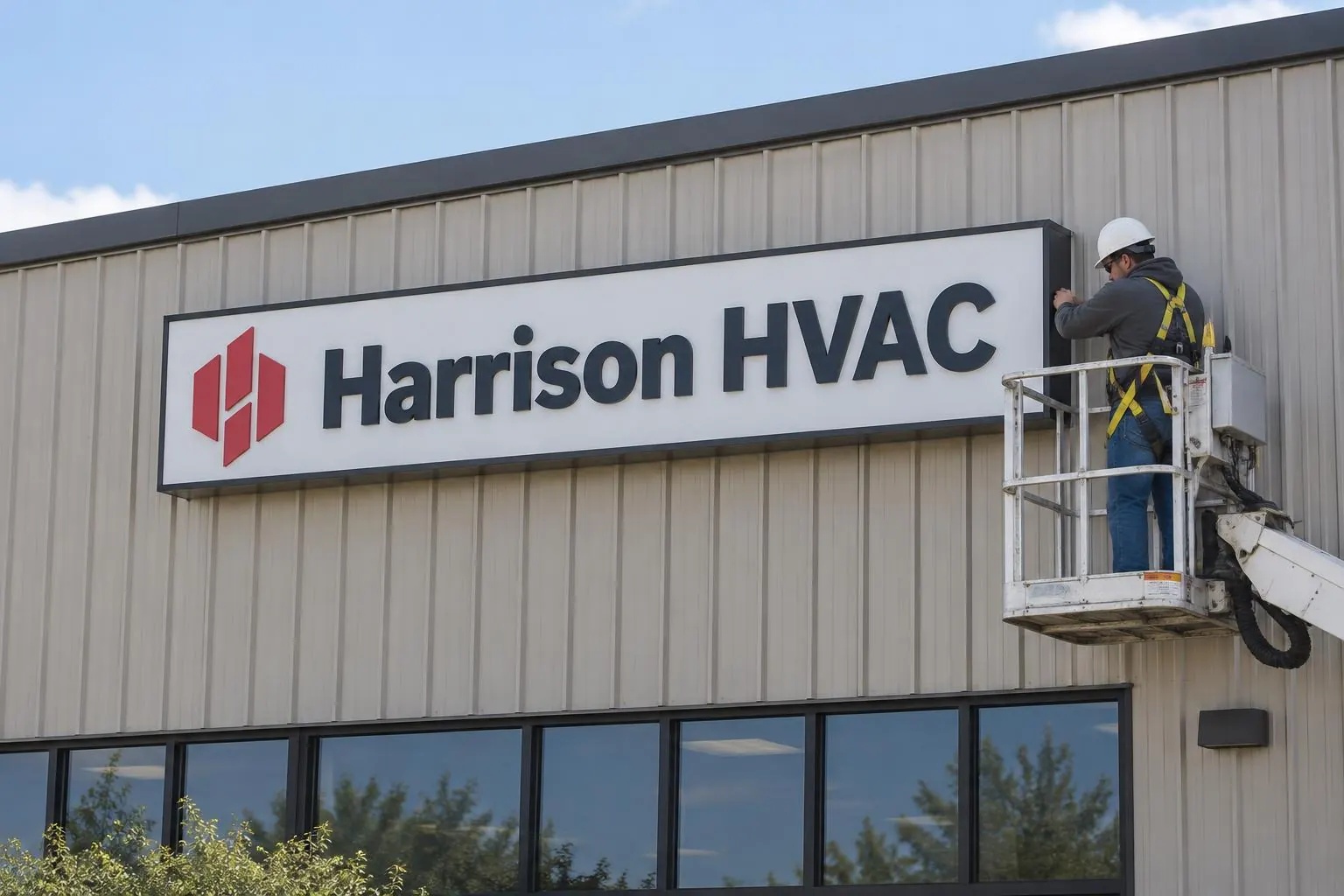
The design gets approved and the sign gets built — but installation is where a great sign either becomes a permanent, secure part of your building or a callback waiting to happen.
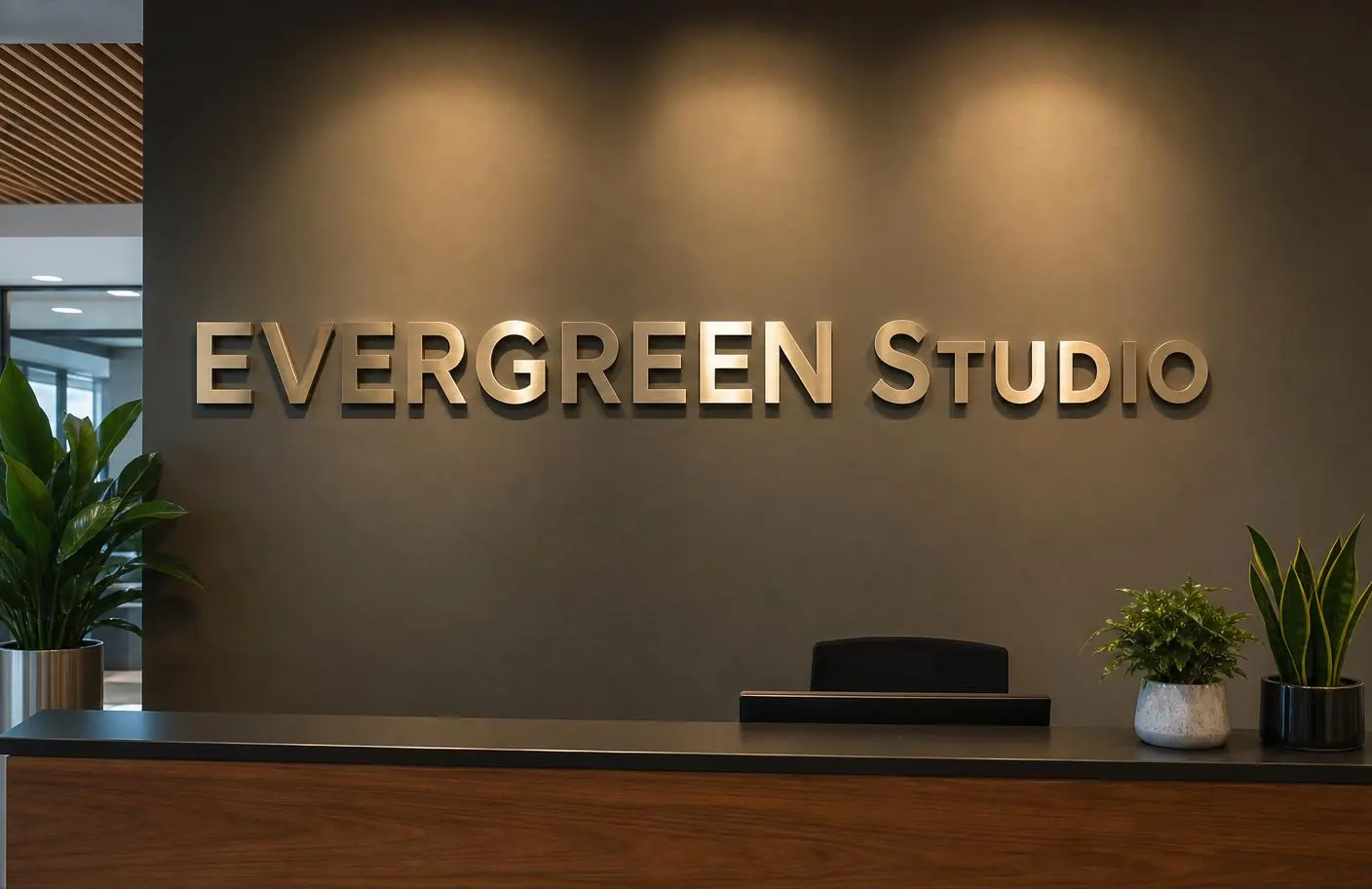
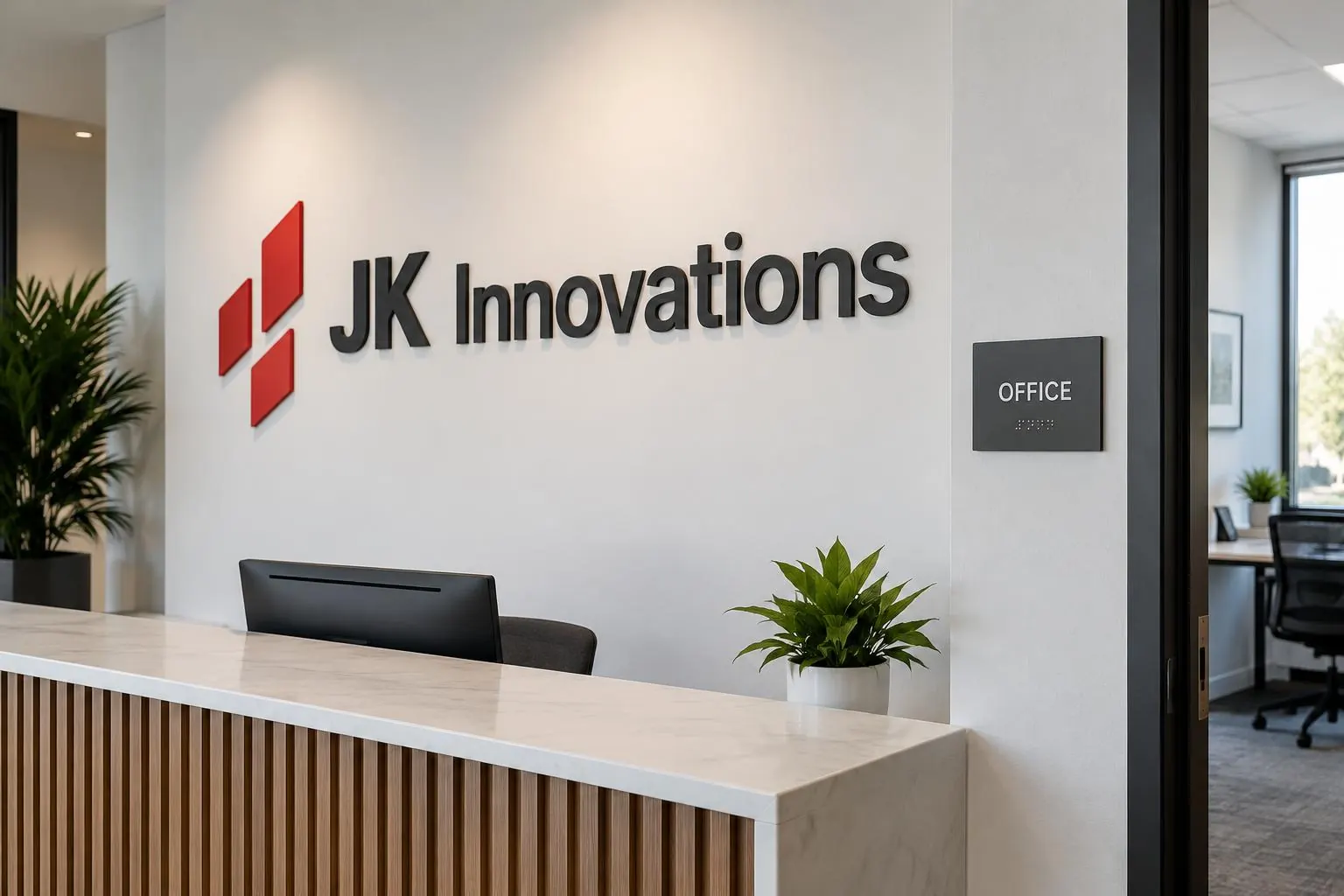
Both put your name on the wall. One casts a shadow and reads premium; the other is faster and cheaper. Here's how to pick correctly the first time.
"How long will it take" is the first question on every sign call. Here's the honest week-by-week breakdown, from first sketch to power-on.
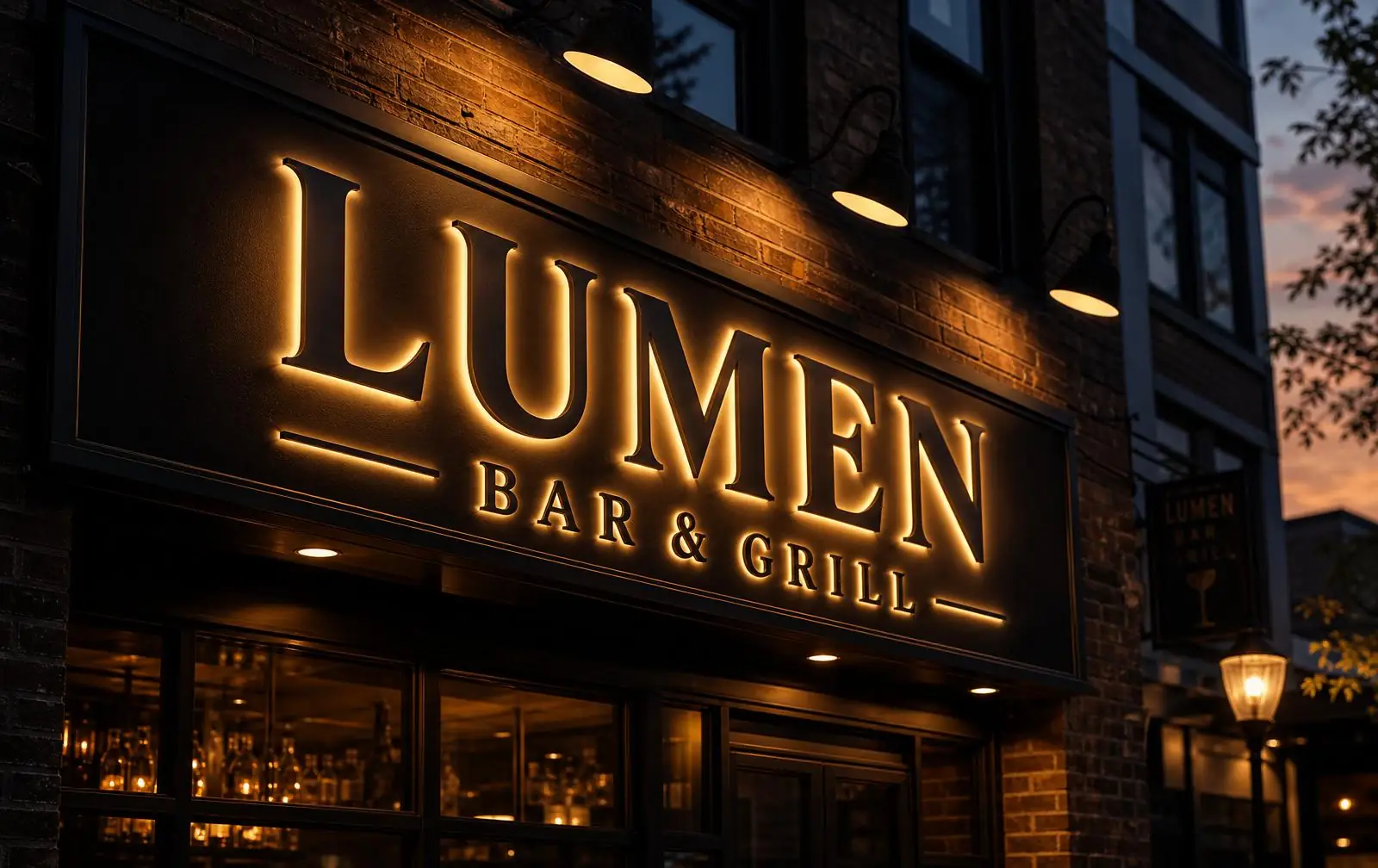
Same letters, two completely different looks after dark. Here's how front-lit and halo-lit compare on visibility, cost, and brand fit.
Illuminated signs span a huge price range — from a small lit cabinet to a six-figure pylon. Here's what actually determines where your project lands.
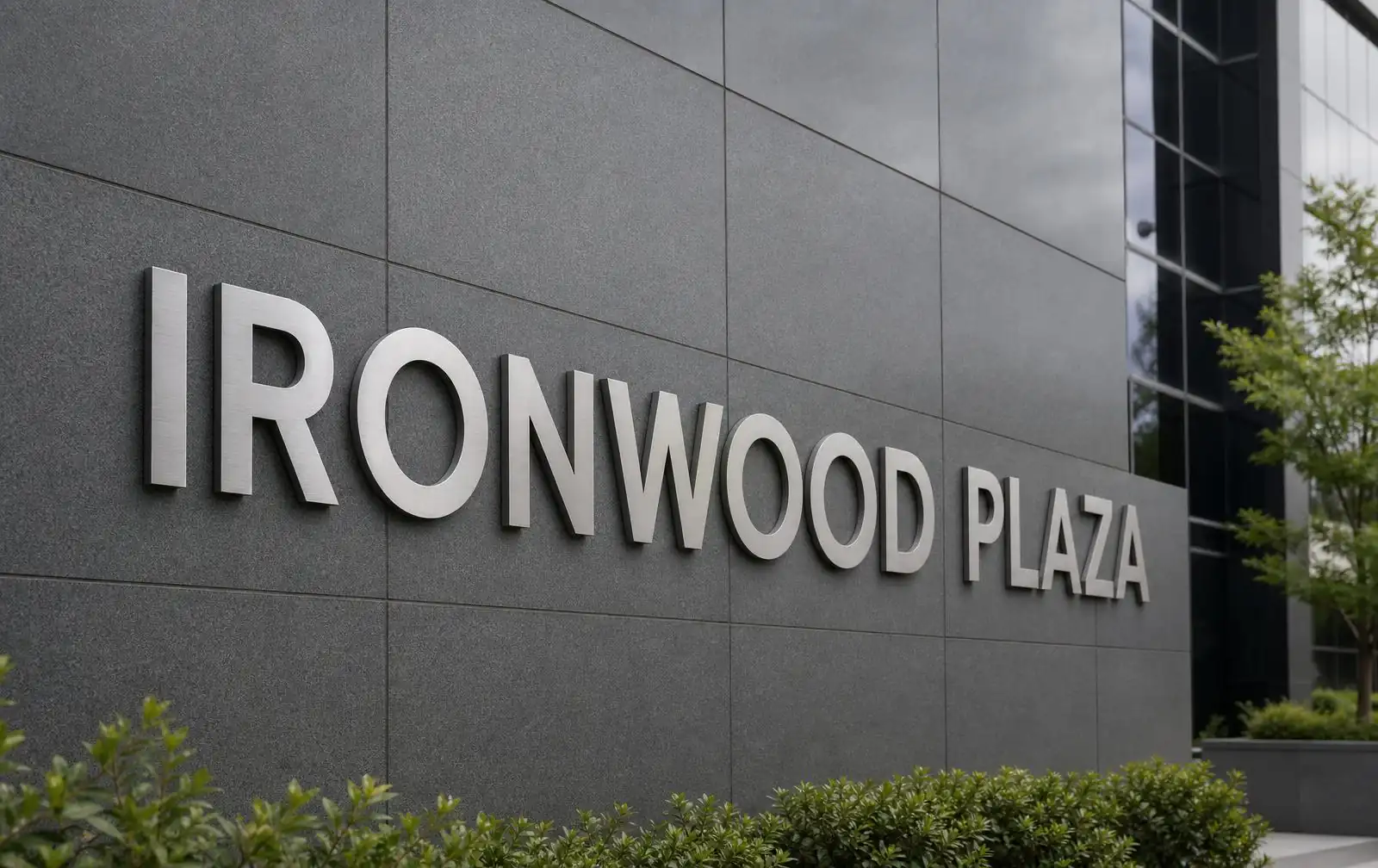
Not every dimensional sign needs to light up. Here's what a non-illuminated dimensional letter building sign costs, what it's made of, and how it goes up.
Both put your name over the door. One doubles as shelter from the rain; the other is built purely to be seen. Here's how to choose.
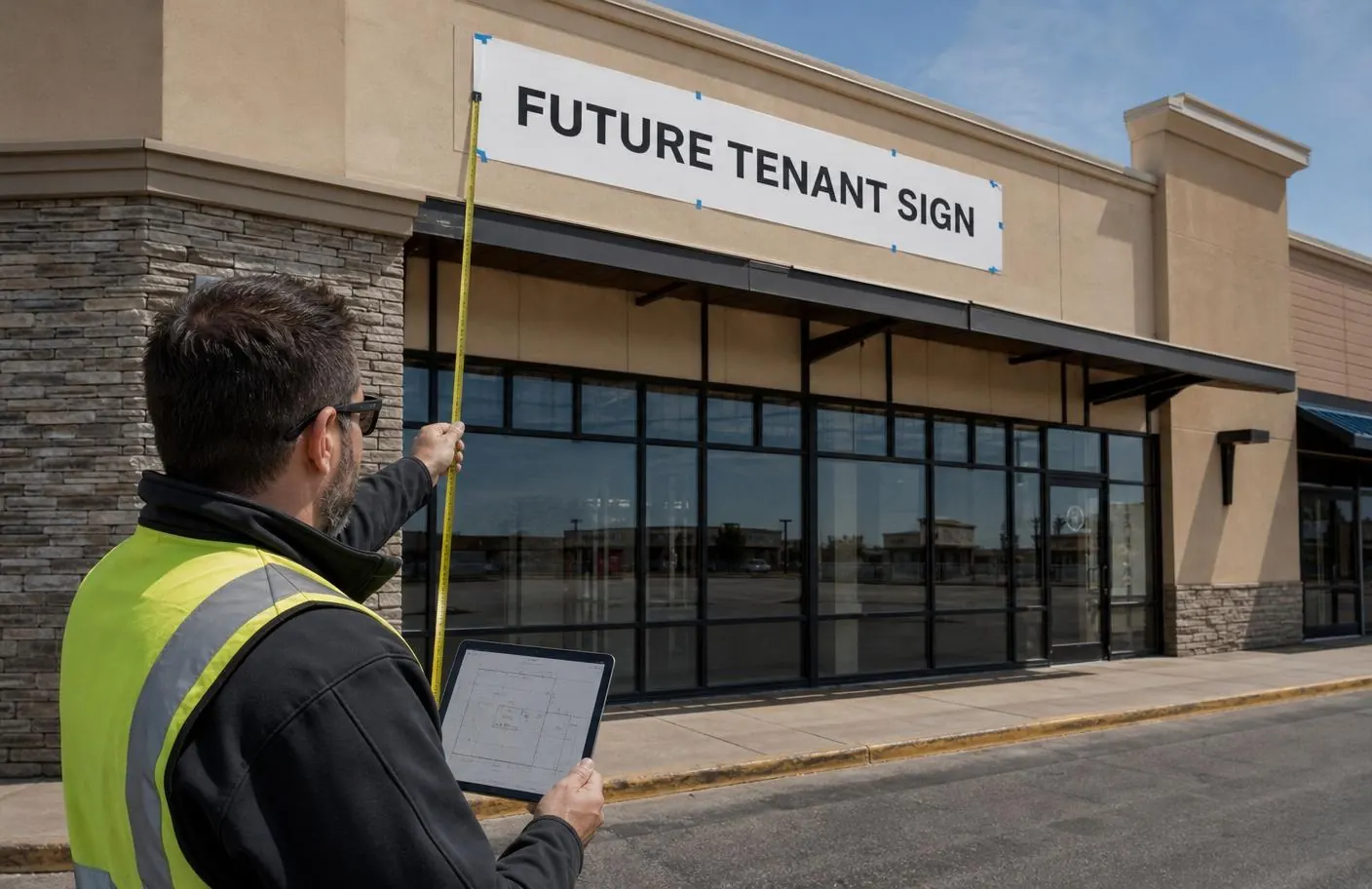
A faster, more accurate quote starts with answering a handful of questions before you even pick up the phone. Here's the checklist.
A full wrap turns heads. A partial wrap turns budget-conscious heads. Here's how to decide which one actually earns its cost.
A for-sale sign has one job: get the phone to ring. Here's how rider panels, post choice, and layout actually affect whether it works.
Ordering 500 signs isn't the same math as ordering 5. Here's how bulk yard sign pricing actually scales, and what to ask before you order.
A lobby sign is the first thing a visitor reads once they're already inside. Here's how to make it count without overbuilding the budget.
A good wayfinding system is invisible when it works — visitors just find where they're going. Here's how to plan one that actually does.
Both can turn a blank wall into a brand statement. Only one comes off cleanly when the lease ends. Here's the real comparison.
A centered logo on a blank wall is the default, not the best option. Here's how to make conference room and lobby graphics actually do more.
A rebrand touches every sign on your property — inside and out. Here's how to plan the transition without a chaotic mismatched period in between.
A logo that looks perfect on a screen can be unusable for fabrication. Here's what to send so your sign project doesn't stall on file prep.
Rain, UV, temperature swings, and wind — Pacific Northwest weather is a real material test. Here's how the three most common sign materials hold up.
The equipment isn't a client's choice — it's determined by the sign. Here's what actually drives whether your install needs a boom truck or a crane.
Permits & Compliance
Every Washington municipality has its own sign code. Here's what actually matters when you're pulling a sign permit — plus the mistakes that turn a two-week job into a two-month job.
The ADA rules that actually get flagged on inspection — tactile character height, Braille placement, non-glare finish, mounting height, and how to plan a wayfinding system that reads at a glance.
Lewis County sign rules aren't the same as Chehalis or Centralia's. Here's how to figure out which jurisdiction governs your sign and what to expect.
An LED sign that's technically capable of video doesn't mean your city will let you run it. Here's what actually gets regulated, and why.
The sign design permit isn't the whole story. Here's what gets checked specifically at install — and what triggers a separate inspection.
Same state, same general sign code framework, different review queues. Here's how to plan a project timeline around two neighboring counties.
Sometimes the sign you want simply doesn't fit the code. A variance is the formal path to ask for an exception — here's what that process really involves.
Industry Insights
Modern LEDs cut sign energy use 60–80% and eliminate most service calls. Here's how to know whether your existing cabinet is worth keeping — and when it isn't.
Most sign failures are preventable. Here's the schedule our maintenance crew uses, the failure points to watch for, and what neglect actually costs you.
A wrap's lifespan isn't fixed — how it's washed and where it's parked matter as much as the vinyl itself. Here's what actually extends the clock.
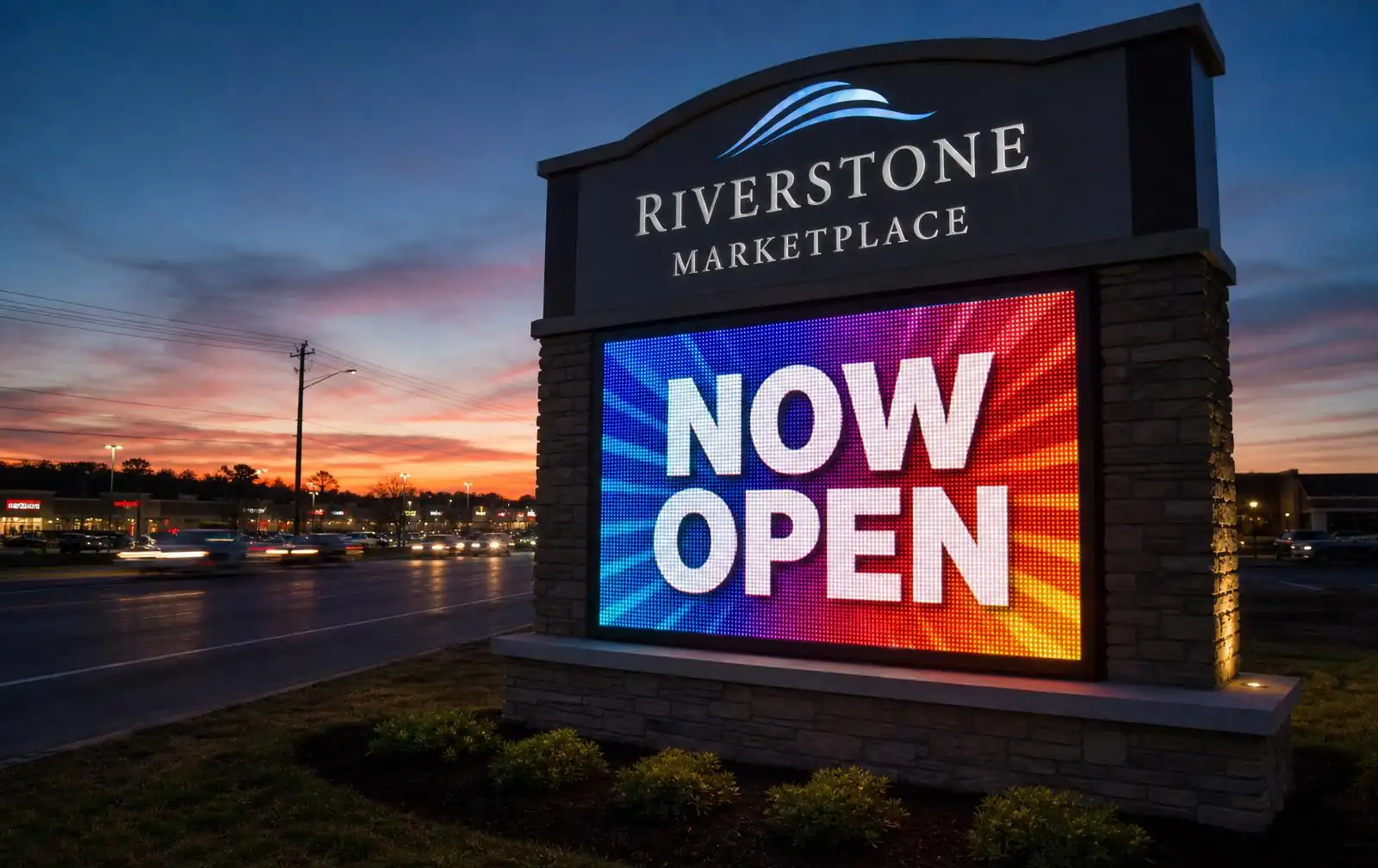
An EMC costs far more than a static cabinet sign. Here's the honest breakdown of what that extra cost actually buys you.
"We build our own signs" sounds like a marketing line until you see what outsourced fabrication actually costs a project in quality control.
A sign that survived the storm visually can still have hidden damage. Here's what to check, and what warrants an immediate call.