Guides & Education
Custom Business Signs: A Buyer's Guide to Types, Materials & Cost

"Custom sign" is the broadest category in the industry — it can mean a single flat-cut logo over a reception desk or a 40-foot illuminated pylon at a shopping center entrance. That breadth is exactly why custom sign projects stall out: there are too many decisions and no obvious starting point.
This guide gives you the starting point. It walks through the decisions that actually narrow a custom sign project — dimensional vs. flat, material, illumination, and mounting — and what each decision does to your budget and timeline.
Start with the job the sign has to do
Before any material or style conversation, define the job: is this sign identifying your business to people already at your door, or pulling attention from people driving by at 40 mph? A reception logo and a road-facing pylon solve completely different problems, even though both are 'custom signs.'
We ask three questions on every custom sign consultation: who needs to see it, from how far away, and at what speed. The answers point directly at scale, height, and lighting.
Dimensional vs. flat-cut
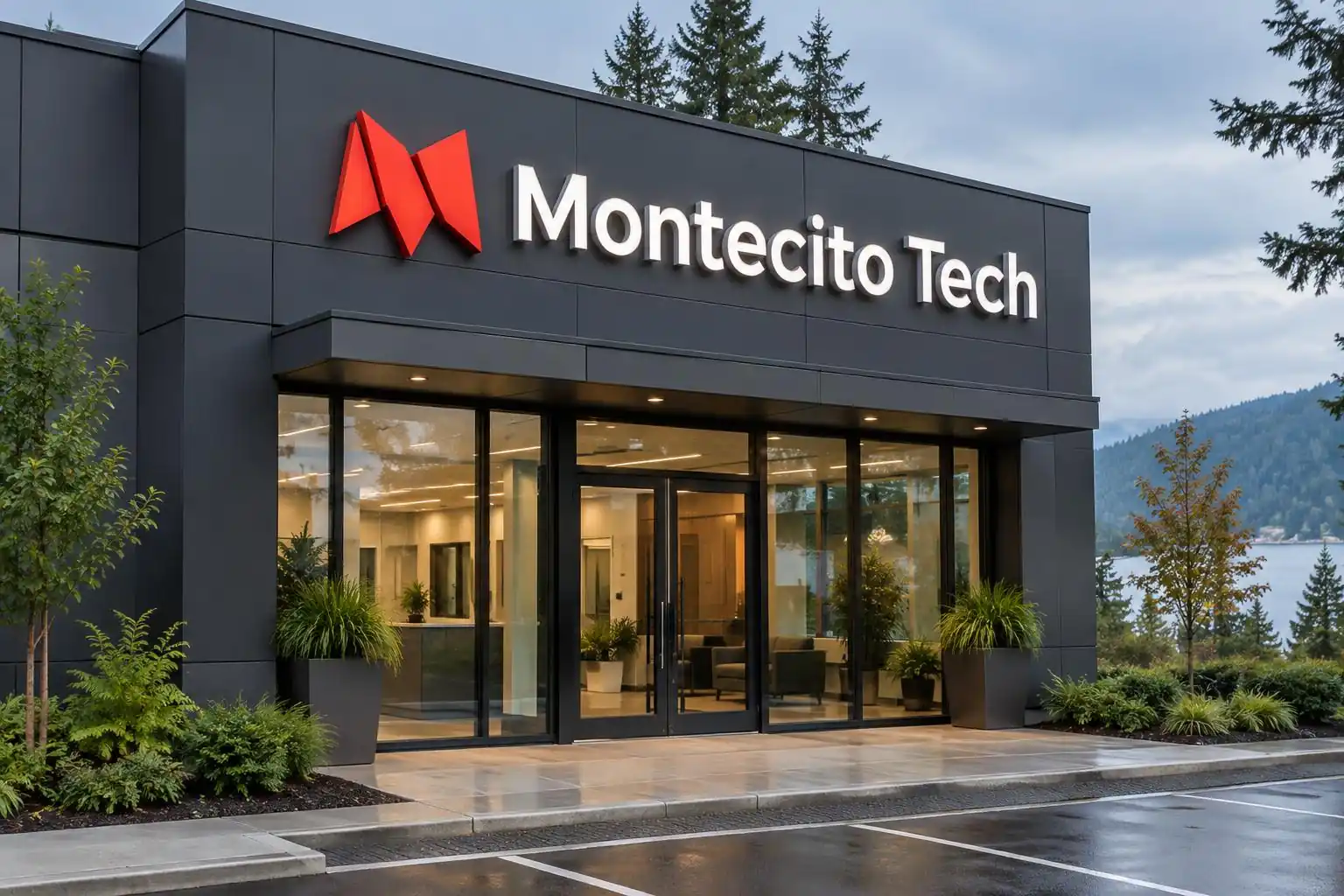
Dimensional letters and logos stand off the surface — they cast a shadow, read as premium, and cost more to fabricate and mount. Flat-cut graphics (printed or vinyl-applied) sit flush to the surface — cheaper, faster to produce, and still highly effective for wall signs, window graphics, and interior branding.
- Dimensional: routed acrylic or metal letters, standoff-mounted or pinned — premium look, higher cost
- Flat-cut: printed panel or cut vinyl on a substrate — budget-friendly, quick turnaround
- Hybrid: dimensional logo mark with flat-cut supporting text — a common way to control cost on a larger sign

Choosing materials in Southwest Washington
Material choice is where custom signs earn or lose their 'custom' feel. Aluminum and acrylic dominate exterior work for durability and finish options. HDU (high-density urethane) carves like wood without rotting, which is why it shows up on carved monument and heritage-style signs. Interior signs open up to Lexan, wood veneer, and metal laminate finishes that would not survive outdoor UV exposure.
- Aluminum — durable, paintable, the default for cabinets, panels, and returns
- Acrylic — the standard for illuminated faces and routed dimensional letters
- HDU — carved dimensional signage, monument faces, heritage and rustic branding
- Lexan / polycarbonate — high-impact interior and semi-exterior faces
- Vinyl — the fastest, lowest-cost way to add custom graphics to almost any surface
Illuminated or non-lit
Illumination roughly doubles the decision tree: LED type, mounting method, and an electrical permit alongside the sign permit. It also roughly doubles legibility hours. If your traffic is mostly daylight and budget is tight, skip it. If you're near a road with evening traffic, illumination is usually worth the added cost.
Realistic 2026 pricing by scale
- Small interior logo or lobby sign: $800 – $3,000
- Flat-cut exterior wall sign, single business name: $1,500 – $5,000
- Dimensional wall sign, non-illuminated: $4,000 – $9,000
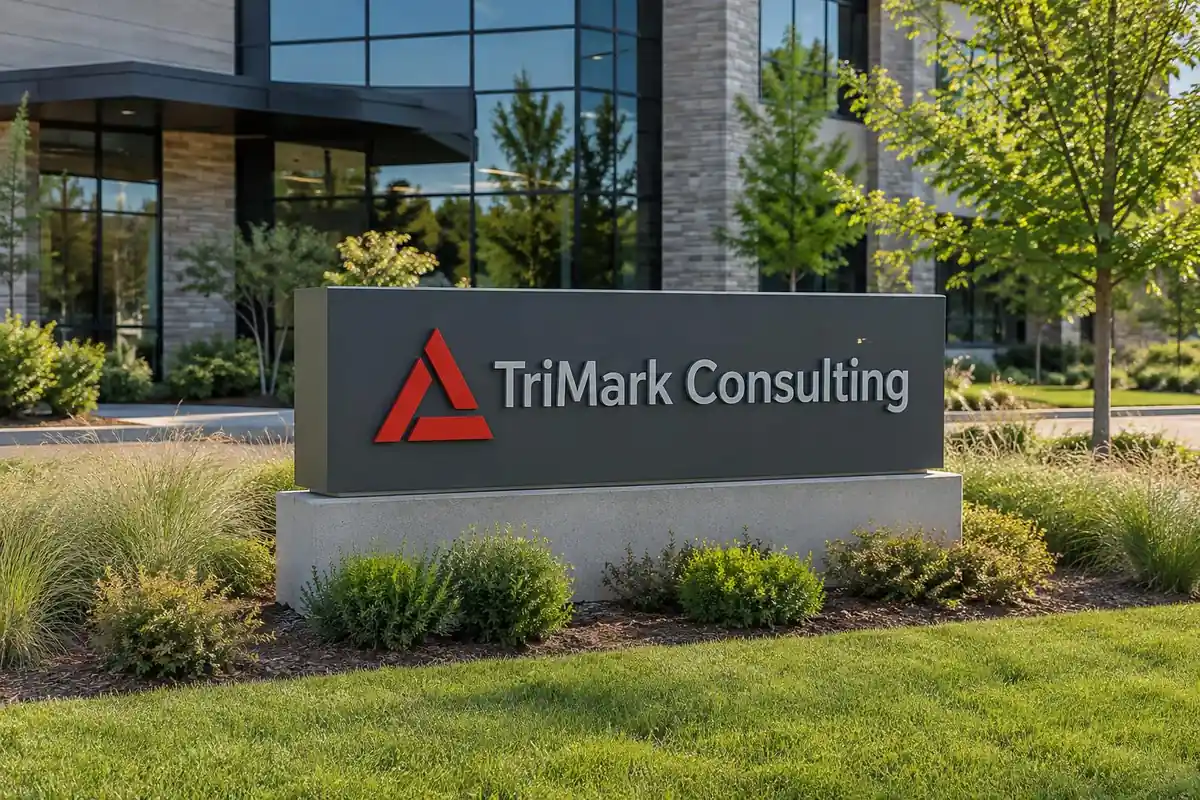
- Illuminated dimensional wall sign or small monument: $8,000 – $20,000
- Multi-tenant monument or pylon: $25,000+
How the custom sign process runs at ESCO Pacific
Free consultation and site walk, a design phase with a rendering on a photo of your actual building, permit-ready drawings if the sign needs one, in-house fabrication in our Chehalis shop, and installation by our own licensed crew. One team, one accountable timeline.
Frequently asked questions
- How long does a custom sign project take from start to finish?
- Simple flat-cut or non-illuminated signs: 2–4 weeks after design approval. Illuminated or permitted custom signs: 6–12 weeks including permit review and fabrication.
- Do I need to know exactly what I want before I call?
- No. Most clients start with a rough idea and a budget range. Our designers narrow it down to a specific sign type during the consultation and design phase.
- Can a custom sign be updated later if my business changes?
- Depends on construction. Panel-based and multi-tenant signs are usually built to swap faces or panels. Fully dimensional single-piece signs are harder to update — worth flagging at the design stage if you expect changes.
Talk to ESCO Pacific
Have a sign project in mind?