Permits & Compliance
Commercial Sign Rules in Lewis County: What's Actually Allowed
"Lewis County" is not one sign code — it's several. Chehalis and Centralia are each their own incorporated cities with their own planning departments and their own sign ordinances. Property outside either city limit falls under unincorporated Lewis County's own code. Getting the jurisdiction wrong is one of the most common ways a sign project loses weeks it didn't need to lose.
This guide walks through how to figure out which set of rules actually applies to your property, and what the general shape of commercial sign regulation looks like across the county.
Step one: confirm your jurisdiction
Before anything else, confirm whether your property sits inside Chehalis city limits, inside Centralia city limits, or in unincorporated Lewis County. Addresses near the Chehalis-Centralia boundary are the most common source of confusion — two businesses on the same road can fall under two different sign codes.
What commercial sign codes generally regulate
- Total signage area, usually tied to building frontage or lot size
- Maximum height for freestanding signs (monument and pylon)
- Setback from property lines and public right-of-way
- Illumination limits, especially near residential zoning
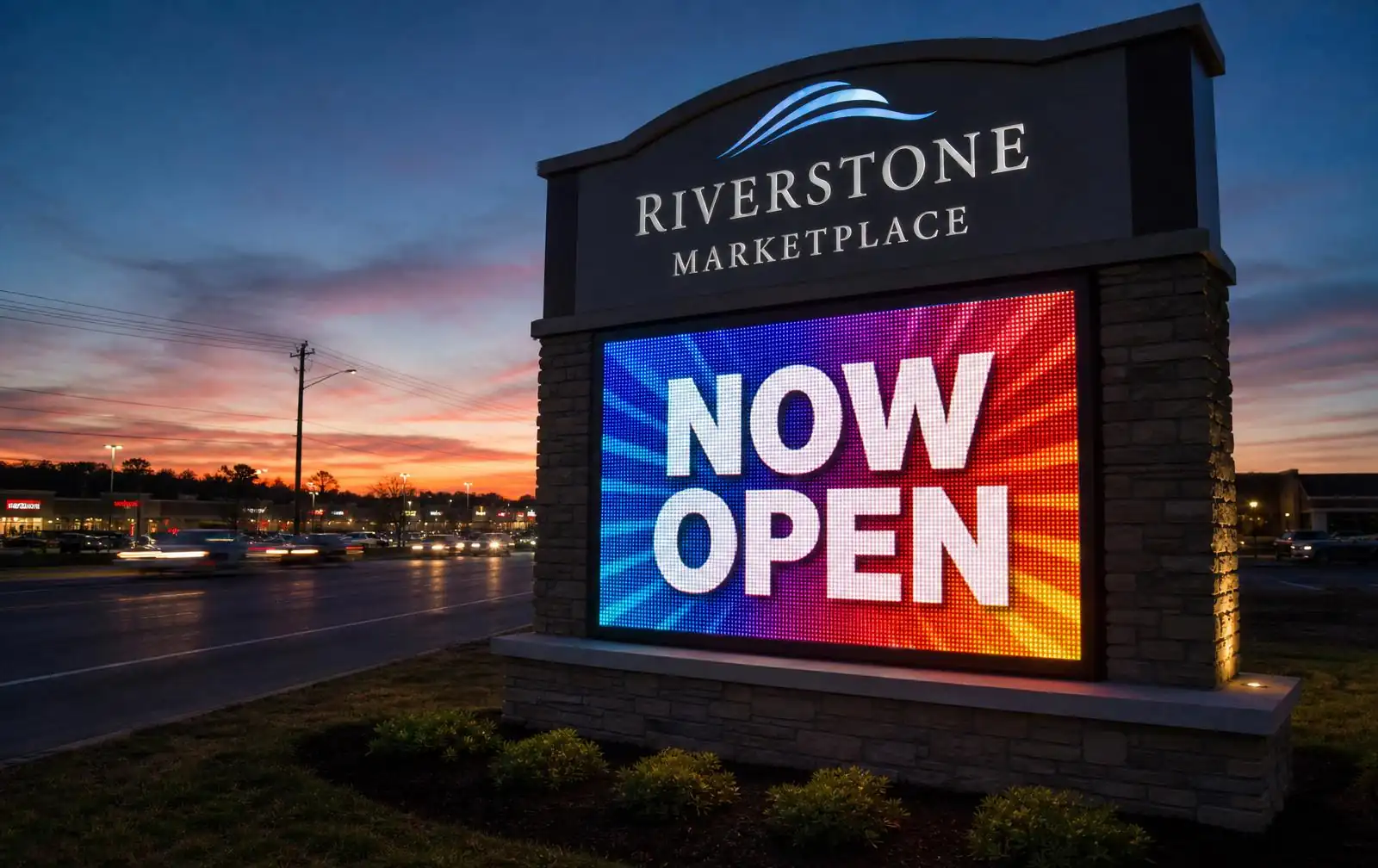
- Digital or LED message center restrictions — dwell time, brightness, and transition style
What tends to differ between jurisdictions
Incorporated cities like Chehalis and Centralia typically have more detailed, zoning-specific sign codes with defined review timelines. Unincorporated county areas are governed by the county's own development code, which can have different size allowances and, in some cases, a different (often longer) review process depending on staffing and caseload at the time.
General ranges to expect (confirm current specifics)
- Freestanding sign height: commonly capped between 8 and 25 feet depending on zoning district
- Setback from right-of-way: commonly 5 to 10 feet minimum
- Permit review: typically 2-4 weeks for a straightforward wall sign, longer for structural or illuminated signs
What happens if your sign doesn't fit the code
If the sign you want doesn't meet the standard allowance, the path forward is either a redesign to fit code, or a variance request — asking the jurisdiction for an exception. Variances take significantly longer (often 8-16 weeks) and aren't guaranteed. Most projects are better served designing to code from the start.
How we handle multi-jurisdiction projects
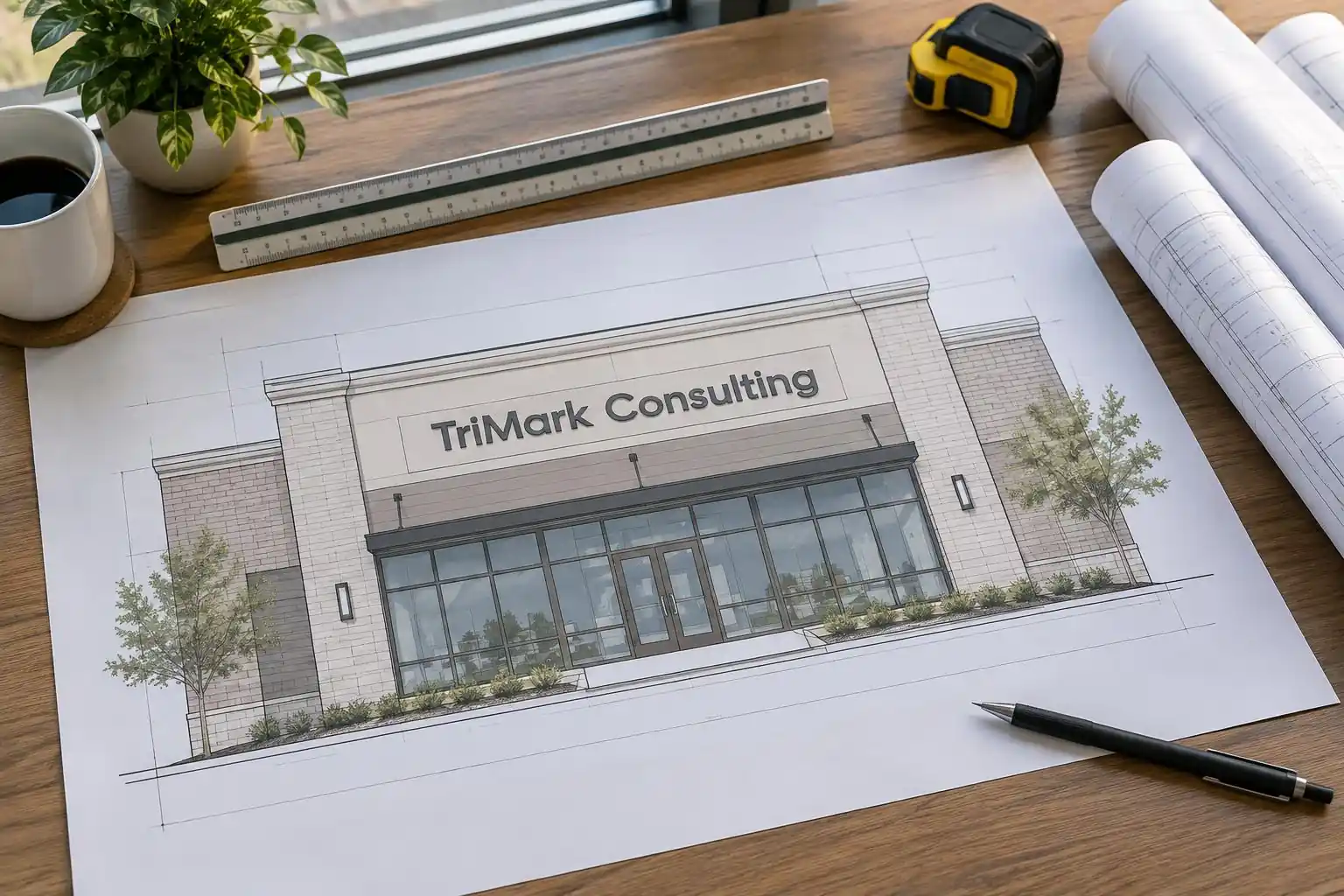
For clients with locations across Chehalis, Centralia, and unincorporated Lewis County, we confirm jurisdiction and code requirements as the first step of every consultation — before a single rendering gets drawn. It's the single biggest lever for keeping a sign project on schedule.
Frequently asked questions
- How do I know if my business is in Chehalis, Centralia, or unincorporated Lewis County?
- Check your parcel with the county assessor or ask the relevant city's Community Development department. A mailing address alone isn't always a reliable indicator, since ZIP codes don't align perfectly with city limits.
- Does a sign permit approved by one jurisdiction transfer to another?
- No. Each jurisdiction reviews and approves independently, even for properties close to a boundary line. A permit from Centralia has no standing in Chehalis or unincorporated Lewis County.
- Who actually enforces sign code violations?
- Code enforcement is handled by the jurisdiction's own planning or code compliance department. Violations are typically addressed with a notice and a compliance deadline before any penalty is assessed.
Talk to ESCO Pacific
Have a sign project in mind?