Industry Insights
Storm and Wind Damage: What to Check on Your Sign After Severe PNW

A Pacific Northwest windstorm can look survivable from the ground — the sign is still standing, still lit, nothing obviously bent — and still have real damage that shows up as a bigger problem weeks later. Wind loading, flying debris, and heavy rain all stress a sign in ways that aren't always visible from a quick glance at street level.
Here's what to actually check after a storm, and which signs of damage mean it's time to call for service rather than wait.
The ground-level visual check
- Obvious tilting, leaning, or visible movement in a freestanding sign since before the storm
- Cracked, missing, or visibly loose panels or letter faces
- Debris caught in or around the sign, especially near the base or mounting points
- Any part of the sign that's come loose or is hanging at an odd angle
What to check after dark, if it's illuminated
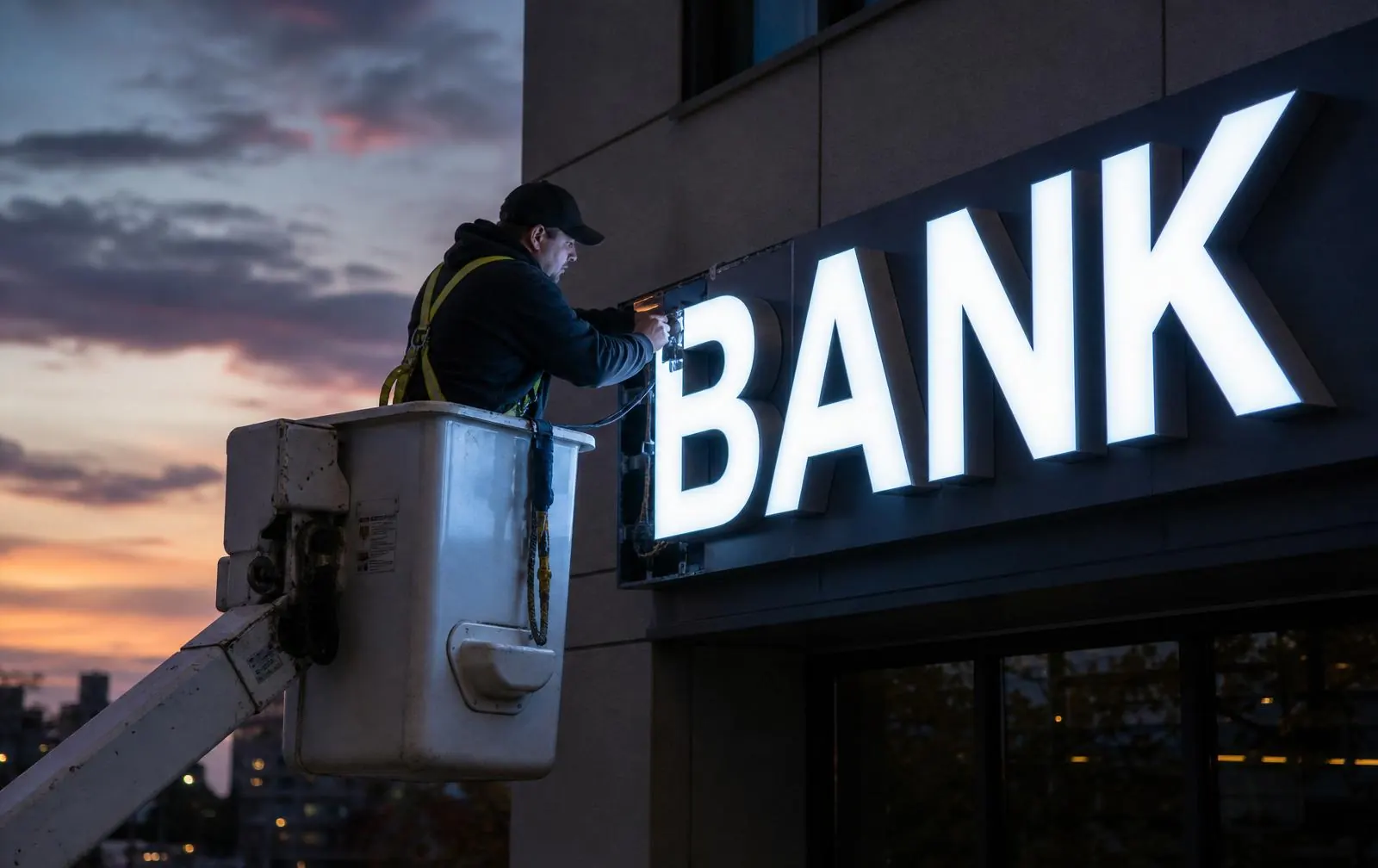
Drive by after sunset and confirm every letter or panel section is still lit evenly. A storm can jar loose an LED connection or damage a power supply without any visible exterior sign — a dark section, flickering, or uneven brightness after a storm is a signal worth investigating even if nothing looks physically wrong.
Signs of hidden structural stress
- New gaps or cracks at seams that weren't there before
- Water staining below the sign that wasn't present before the storm — a sign that a seal was compromised during high wind or debris impact
- Loose fasteners at mounting points — a slight wobble when the sign is gently checked by hand (only if safely reachable; otherwise call a professional)
- Any change in sound — a new rattle or vibration in wind that wasn't there before
What warrants an immediate call versus a scheduled inspection
- Call immediately: any visible tilting or movement, water actively dripping from the sign, exposed wiring, or any piece that's come loose and could fall
- Schedule a standard inspection: everything looks fine but the storm was significant, or a minor cosmetic issue appeared with no safety concern
Documenting damage for insurance
Photograph any visible damage from multiple angles as soon as it's safely possible, and note the date and storm event. This documentation matters for insurance claims and also helps a service technician diagnose the issue faster when they arrive, since they can compare the photographed damage against what they find on inspection.
Reducing storm damage risk going forward
Annual structural inspections — checking fasteners, wall anchors, and foundation condition on freestanding signs — catch weakening points before a storm turns them into a failure. A sign that's already showing early wear going into storm season is far more likely to sustain real damage than one that's been properly maintained.
Frequently asked questions
- Can I inspect my own sign after a storm, or should I always call a professional?
- A ground-level visual check is fine and worth doing yourself. Anything requiring a ladder, boom truck, or close inspection of structural or electrical components should go to a professional — sign heights and electrical components carry real risk for an untrained inspection.
- Does storm damage to a sign typically get covered by insurance?
- Often, under a commercial property policy, though coverage specifics vary. Documenting damage promptly with photos and a clear timeline relative to the storm event helps support a claim.
- How quickly should storm damage be repaired?
- Anything posing a safety risk — loose components, exposed wiring, structural instability — should be addressed immediately. Cosmetic damage can typically wait for a scheduled repair, but shouldn't be ignored indefinitely, since minor damage often worsens with continued weather exposure.
Talk to ESCO Pacific
Have a sign project in mind?