Industry Insights
How Long Do Vehicle Wraps Last? Care, Washing, and Replacement
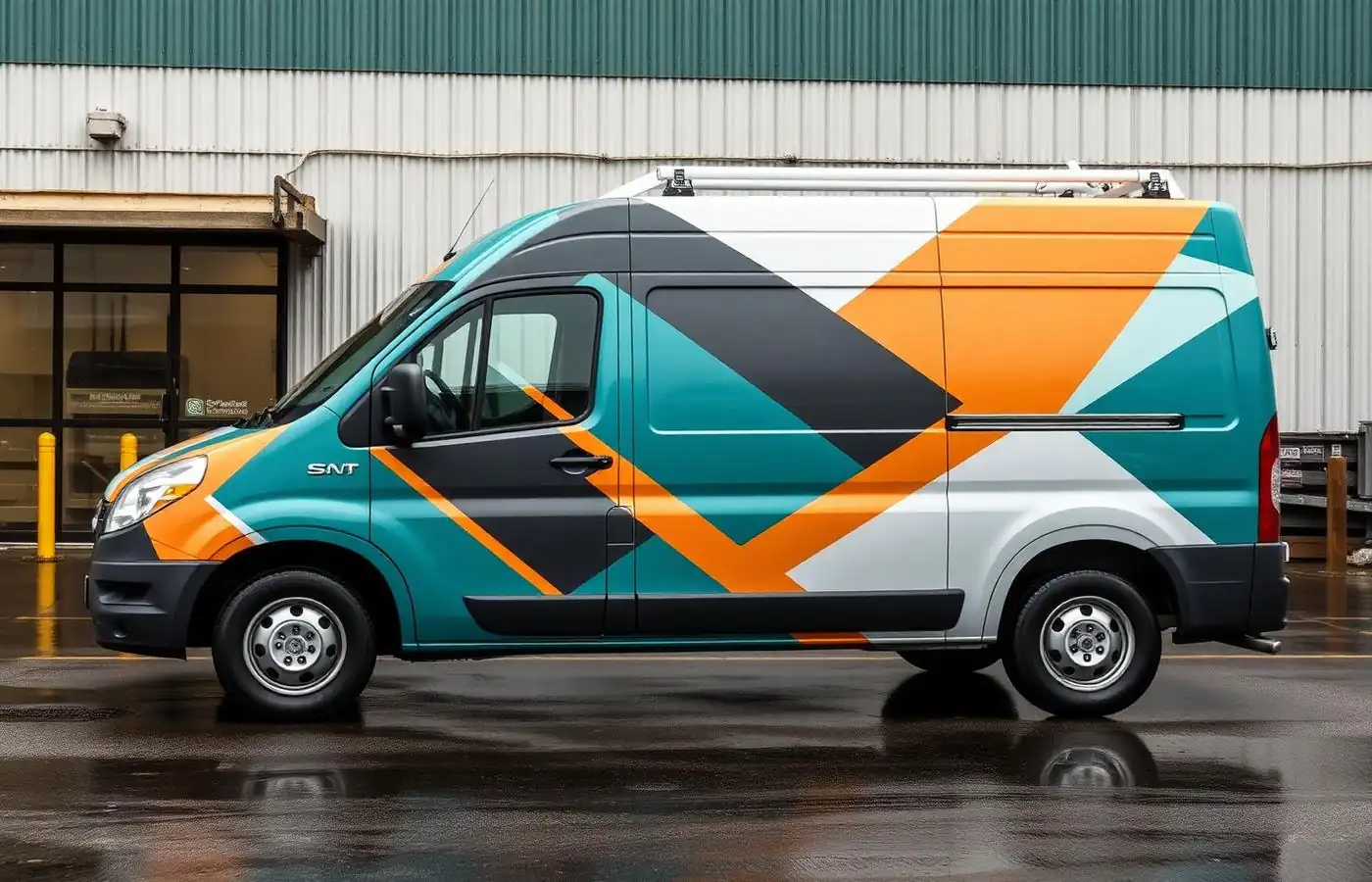
A quality vehicle wrap installed correctly should look sharp for 5-8 years — but that number isn't fixed. How the vehicle is washed, where it's parked, and how quickly damage gets addressed all move the real-world lifespan up or down. Here's what actually determines how long a wrap lasts, and the habits that get you the most out of the investment.
We'll also cover the signs that tell you it's time to think about replacement, and what removal actually involves when that day comes.
What determines lifespan in the first place
- Vinyl quality — cast vinyl (3M IJ180, Avery MPI 1105) significantly outlasts calendared vinyl
- Overlaminate — a UV-protective laminate layer is what actually blocks fading, not the base vinyl alone
- Installation quality — properly heat-formed edges and seams resist lifting far longer than a rushed install
- Climate exposure — a vehicle parked outdoors in direct sun daily ages faster than one garaged most of the time
- Wash habits — see below; this is the factor owners have the most control over
How to wash a wrapped vehicle correctly
- Hand wash with mild soap and clean water whenever possible
- Avoid automatic brush car washes — the brushes can lift edges and create fine scratches in the laminate
- Touchless/soft-cloth car washes are generally safe
- Never use a pressure washer directly on seams, edges, or panel gaps — high pressure is the fastest way to lift a wrap prematurely
- Avoid parking under trees with heavy sap or bird activity for extended periods; both etch into laminate if left too long

Signs your wrap is nearing the end of its life
- Fading or color shift, especially on horizontal surfaces (hood, roof) that take the most direct sun
- Lifting at edges, seams, or panel gaps
- Cracking or brittleness in the vinyl, particularly around compound curves
- Adhesive residue or discoloration showing through thin spots
Extending the clock: maintenance that actually helps
Beyond correct washing, address any lifting edge or small tear immediately — a loose edge that catches wind and peels further is a fast way to turn a small repair into a full panel replacement. Most wrap installers can do a quick edge reseal in well under an hour if it's caught early.
Removal: what to expect when it's time
A properly installed wrap using quality cast vinyl remains cleanly removable for 8+ years. Beyond that window, adhesive can become more aggressive and removal takes longer, sometimes requiring heat and adhesive remover to avoid paint damage.
- Removal cost: [confirm pricing] — depends heavily on vehicle size, wrap age, and vinyl type; budget conversations are worth having at install time, not just at removal time
- A trained removal should leave factory paint undamaged, assuming the paint was in good condition before the wrap went on
Frequently asked questions
- Will winter weather damage my wrap faster?
- Cold temperatures make vinyl more brittle temporarily, but a quality wrap handles normal Pacific Northwest winters without issue. Road salt and de-icing chemicals are more of a concern — rinse the vehicle promptly after exposure.
- Can a damaged section of wrap be repaired without redoing the whole vehicle?
- Yes, in most cases. A torn or heavily faded panel can be reprinted and replaced individually if the original design file and vinyl match are available, without touching the rest of the wrap.
- Does waxing help protect a wrap?
- A wrap-safe sealant (not a traditional wax) can add a layer of UV and contaminant protection, but it's not required. Consistent, correct washing matters far more than any product applied on top.
Talk to ESCO Pacific
Have a sign project in mind?