Guides & Education
Dimensional Letter Building Signs: Materials, Cost, and Install Time
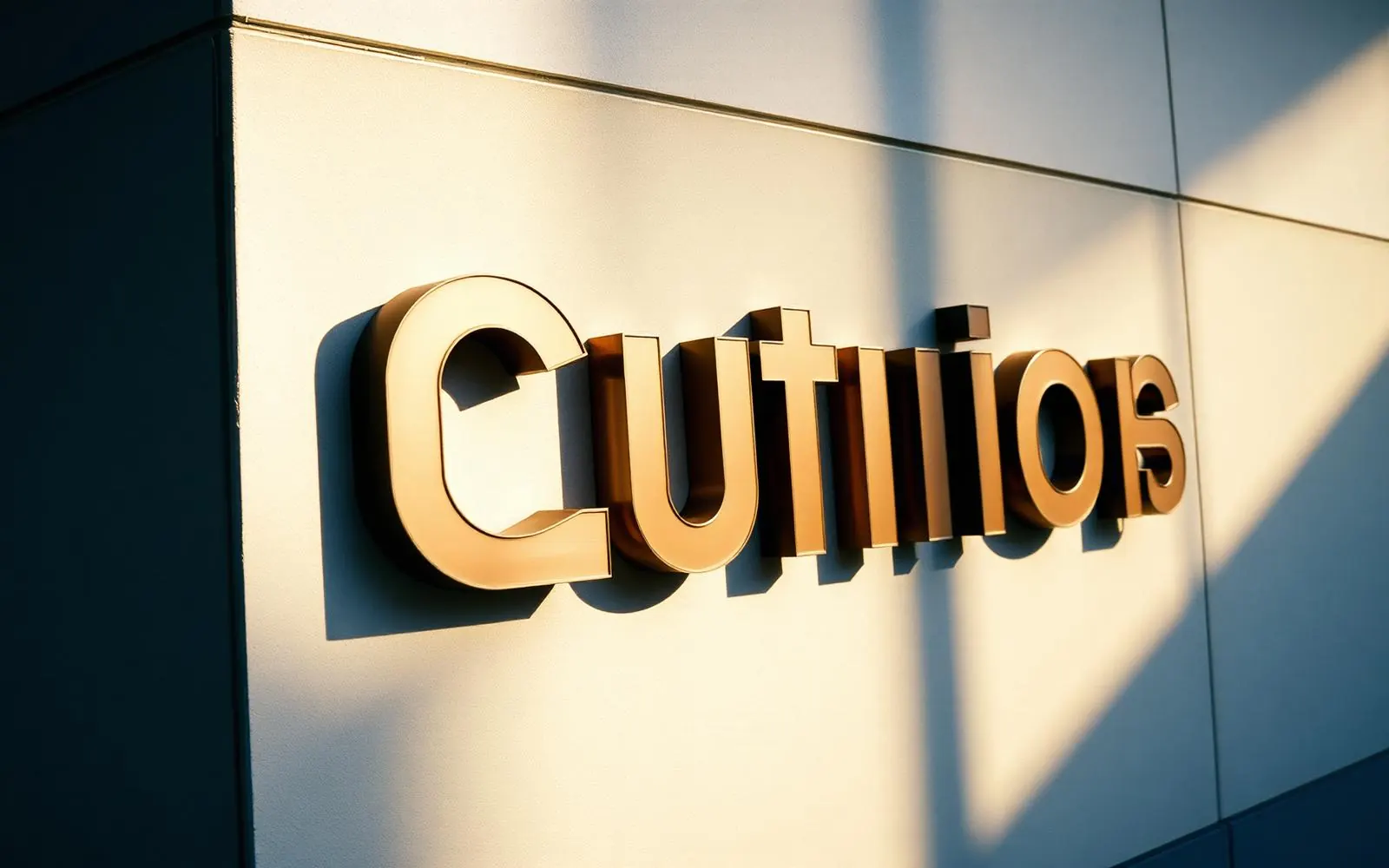
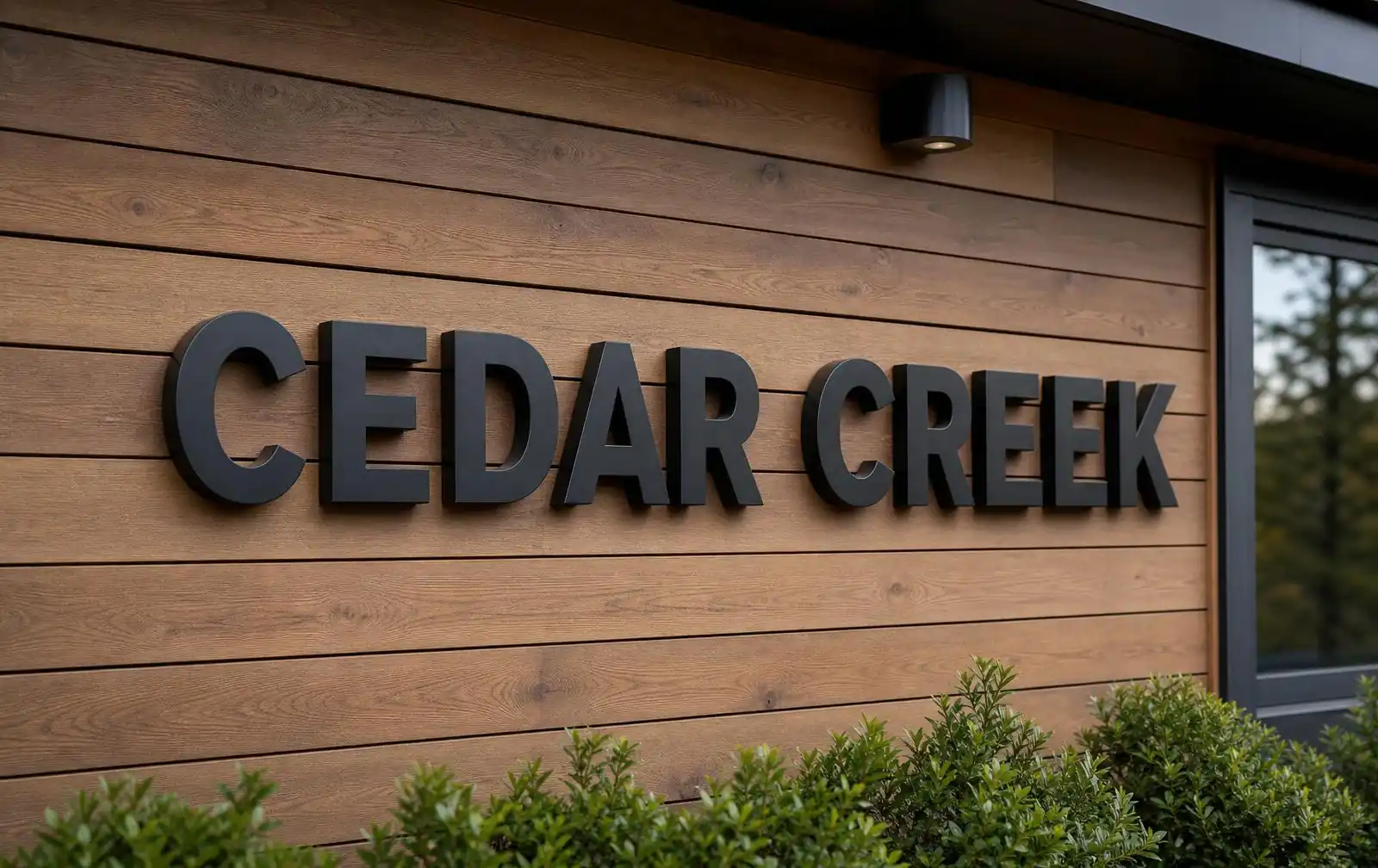
A dimensional letter building sign doesn't have to be lit to make an impression. Non-illuminated dimensional letters — cast metal, fabricated aluminum, or routed acrylic mounted with standoffs — are a mainstay for corporate offices, medical buildings, schools, and any building where a clean, permanent identity matters more than after-dark visibility.
This guide covers the materials, real cost ranges, and what the install process actually involves for a non-lit dimensional building sign.
Material options in Southwest Washington
- Fabricated aluminum — painted or brushed finish, the most common choice for a modern corporate look
- Cast metal (bronze, aluminum) — traditional, heavy, premium feel, common on institutional and civic buildings
- Routed acrylic — lighter weight, wide color range, more budget-friendly than metal
- HDU (high-density urethane) — carved dimensional letters, often used for a more traditional or heritage aesthetic
- Stainless steel — highest-end option, resistant to corrosion, common in medical and financial settings
Why go non-illuminated
Skipping illumination isn't a downgrade — it's a real design choice with practical upside. No electrical means simpler permitting (no separate L&I electrical permit), lower installed cost, and no ongoing power draw or LED maintenance down the road. For buildings that close before dark or rely on site lighting rather than sign illumination, it's often the smarter spec.
Cost by material and scale
- Small non-illuminated dimensional sign (single word, under 10 letters): $4,000 – $9,000
- Cast metal letters, mid-size building identification: $6,000 – $14,000
- Large-scale corporate building ID (multiple words, premium finish): $12,000 – $25,000+
Mounting and wall substrate
Dimensional letters mount with threaded studs set into the back of each letter, typically standing 1/2" to 1.5" off the wall. Brick and masonry need pre-drilled anchor holes and, often, a template for consistent spacing. Metal panel and EIFS substrates mount faster but sometimes need a backer or reinforcement depending on letter weight.
Realistic install timeline
- Template layout and spacing verification: half a day
- Drilling and anchor prep (masonry substrates take longer than metal or EIFS): half a day to a full day
- Letter mounting: half a day for a standard word set
- Total on-site time for a typical building ID sign: 1-2 days
Maintenance is minimal — but not zero
Non-illuminated dimensional signs are close to maintenance-free, but not entirely. Standoff mounts can loosen over years of wind load and thermal expansion/contraction, and metal finishes can fade or chalk under UV exposure eventually. A periodic fastener check and occasional cleaning keeps a well-built sign looking sharp for 15-20+ years.
Frequently asked questions
- Do non-illuminated signs still need a permit?
- Usually yes — most jurisdictions require a sign permit for any exterior sign install, illuminated or not, though the review is typically simpler and faster without an accompanying electrical permit.
- Can non-illuminated dimensional letters be added to later?
- Illumination isn't a simple retrofit on standard non-lit dimensional letters, since they lack the depth and internal wiring channel an illuminated letter needs. If lighting is a future possibility, mention it at the design stage.
- What's the most durable material for coastal or high-moisture sites?
- Stainless steel and properly coated aluminum hold up best in high-moisture Pacific Northwest conditions. Cast bronze also performs well but develops a natural patina over time, which some clients want and others don't — worth discussing before you commit.
Talk to ESCO Pacific
Have a sign project in mind?