Guides & Education
Storefront Signs: A Buyer's Guide to Picking the Right Type

A storefront rarely does its job with a single sign. The sign over the door gets you noticed from the street. A blade sign catches people already on the sidewalk. Window graphics do the work up close, once someone's standing at your glass deciding whether to walk in.
This guide breaks storefront signage into the layers that actually work together, with real placement guidance and 2026 pricing so you can plan a package instead of guessing at one sign at a time.
The three viewing distances of a storefront
Every storefront sign decision comes back to distance. A driver on the street reads your building sign from 100+ feet. A pedestrian on the sidewalk reads a blade sign from 20–40 feet. Someone standing at your door reads window graphics from arm's length. Design each sign for its distance and the whole package works together instead of competing.
Wall and parapet signs — the street-level anchor
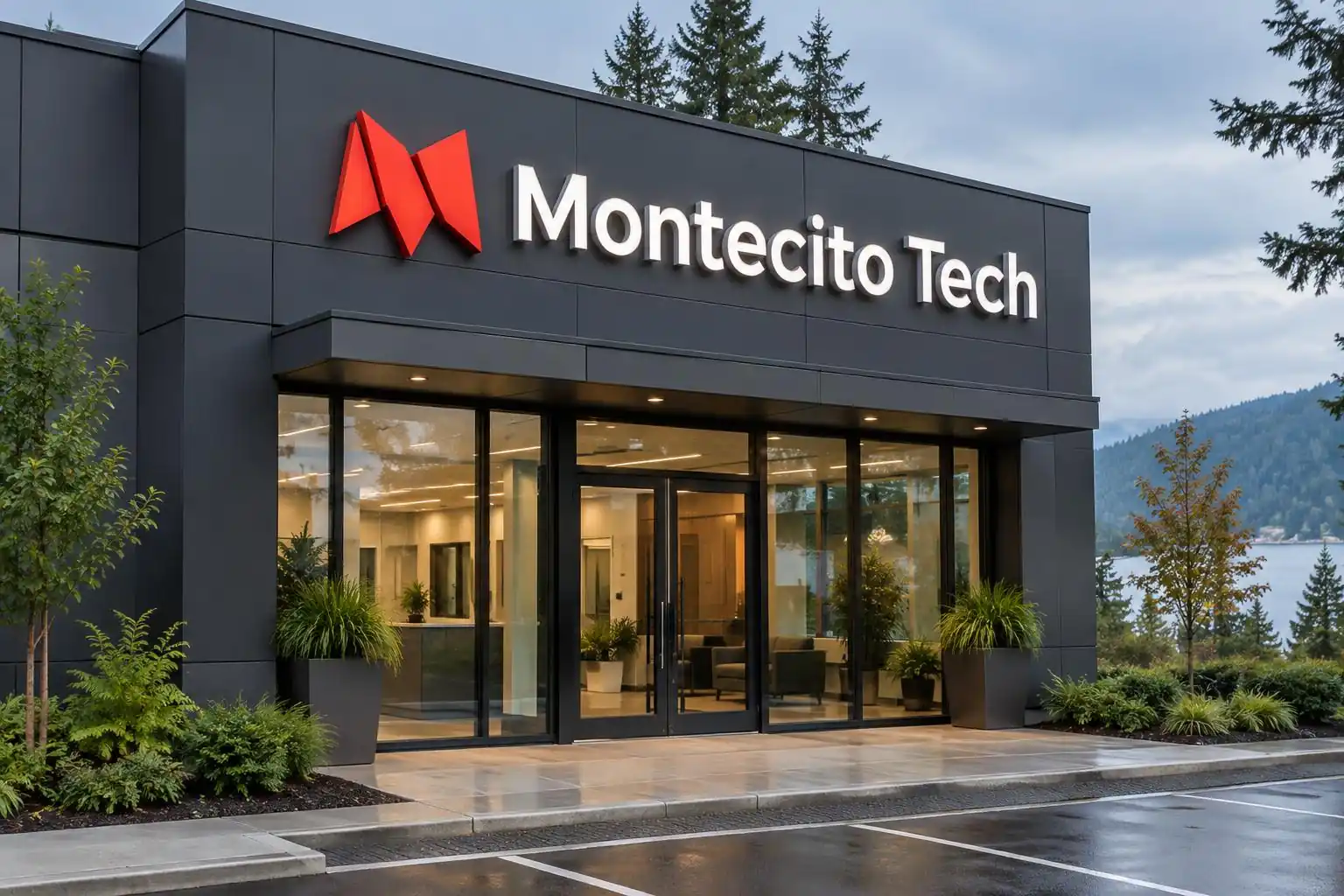
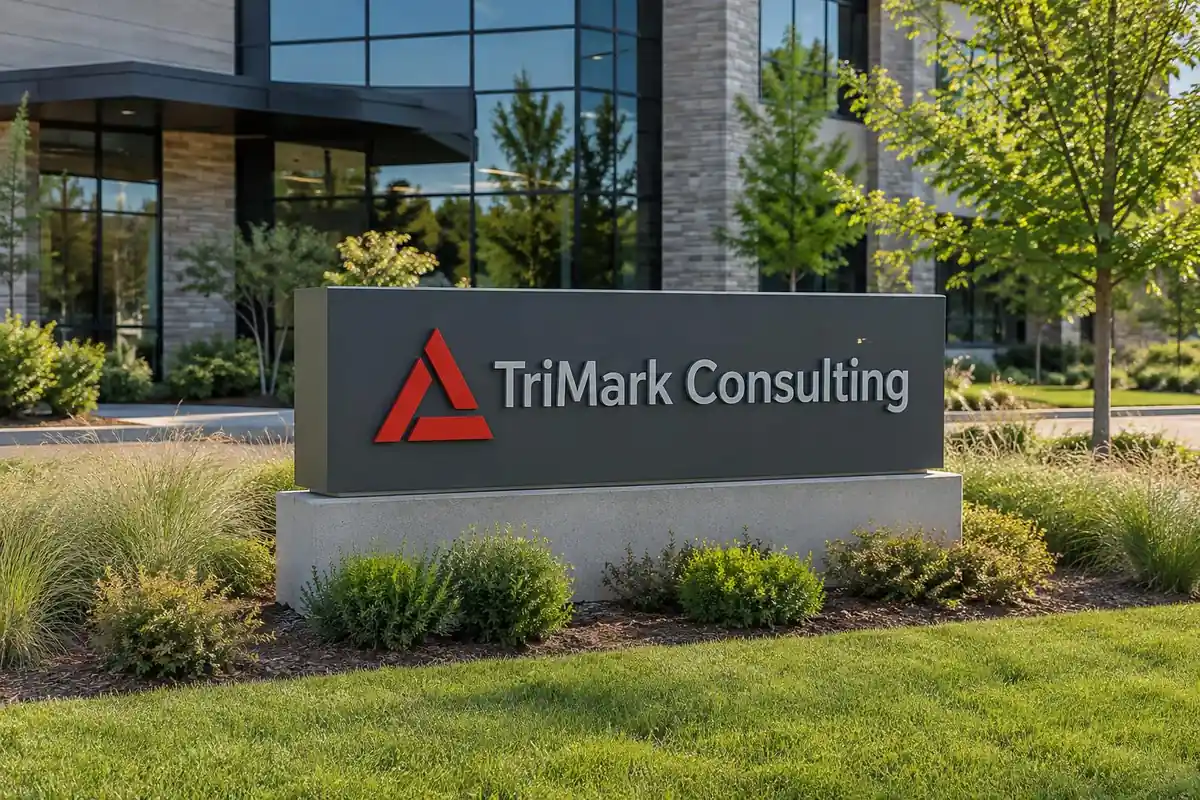
This is the sign most people picture first: your business name mounted above or beside the entrance. Flat-cut letters are the budget option; dimensional letters read as more premium and cast a shadow that helps legibility in flat daylight.
- Flat-cut panel or vinyl-on-substrate — fastest, most affordable
- Dimensional letters, non-illuminated — premium look without electrical cost
- Channel letters, illuminated — the standard for retail and quick-service storefronts
Blade and hanging signs — for pedestrian corridors
A blade sign projects perpendicular to the building, roughly 90 degrees off the wall, so it reads to foot traffic walking the sidewalk in either direction — something a flat wall sign can't do. Downtown corridors and multi-tenant retail strips almost always benefit from one.

Window graphics — the close-range close
Window vinyl does double duty: branding and information (hours, logo, phone number) up close, and privacy or sun control if needed. Frosted vinyl reads as more refined than solid printed vinyl and still lets light through.
- Cut vinyl lettering — hours, logo, phone number
- Frosted or etched-look privacy film
- Full-color printed window graphics for promotions or seasonal changes
Should the package be lit?
Illumination extends your visible hours and adds cost and permitting. A useful rule of thumb: if your business draws meaningful evening or early-morning traffic, at least the primary wall sign should be lit, even if the blade sign and window graphics stay non-illuminated to control cost.
Realistic 2026 pricing
- Window graphics package (logo, hours, phone): $400 – $1,500
- Blade / hanging sign, non-illuminated: $1,500 – $4,000
- Flat-cut wall sign: $1,500 – $5,000
- Illuminated channel letter wall sign: $6,500 – $12,000 (see our channel letter guide for the full breakdown)
- Full layered package (wall + blade + window): $10,000 – $20,000
Frequently asked questions
- Do I need all three sign types — wall, blade, and window?
- Not necessarily. A single-story standalone building often does fine with a strong wall sign and window graphics. Blade signs matter most in pedestrian corridors and multi-tenant strips where foot traffic passes your storefront from the side.
- How long does a storefront sign package take?
- Non-illuminated wall and window signage: 2–4 weeks. A full illuminated package with permitting: 6–10 weeks. We sequence installation so window graphics and blade signs can go up while the illuminated piece is still in permit review.
- Can you match my storefront sign to my existing brand colors?
- Yes — we color-match to your Pantone or brand guide across vinyl, paint, and illuminated acrylic faces so every sign in the package reads as one consistent brand.
Talk to ESCO Pacific
Have a sign project in mind?