Permits & Compliance
EMC Content Rules: What You Can (and Can't) Display in Washington
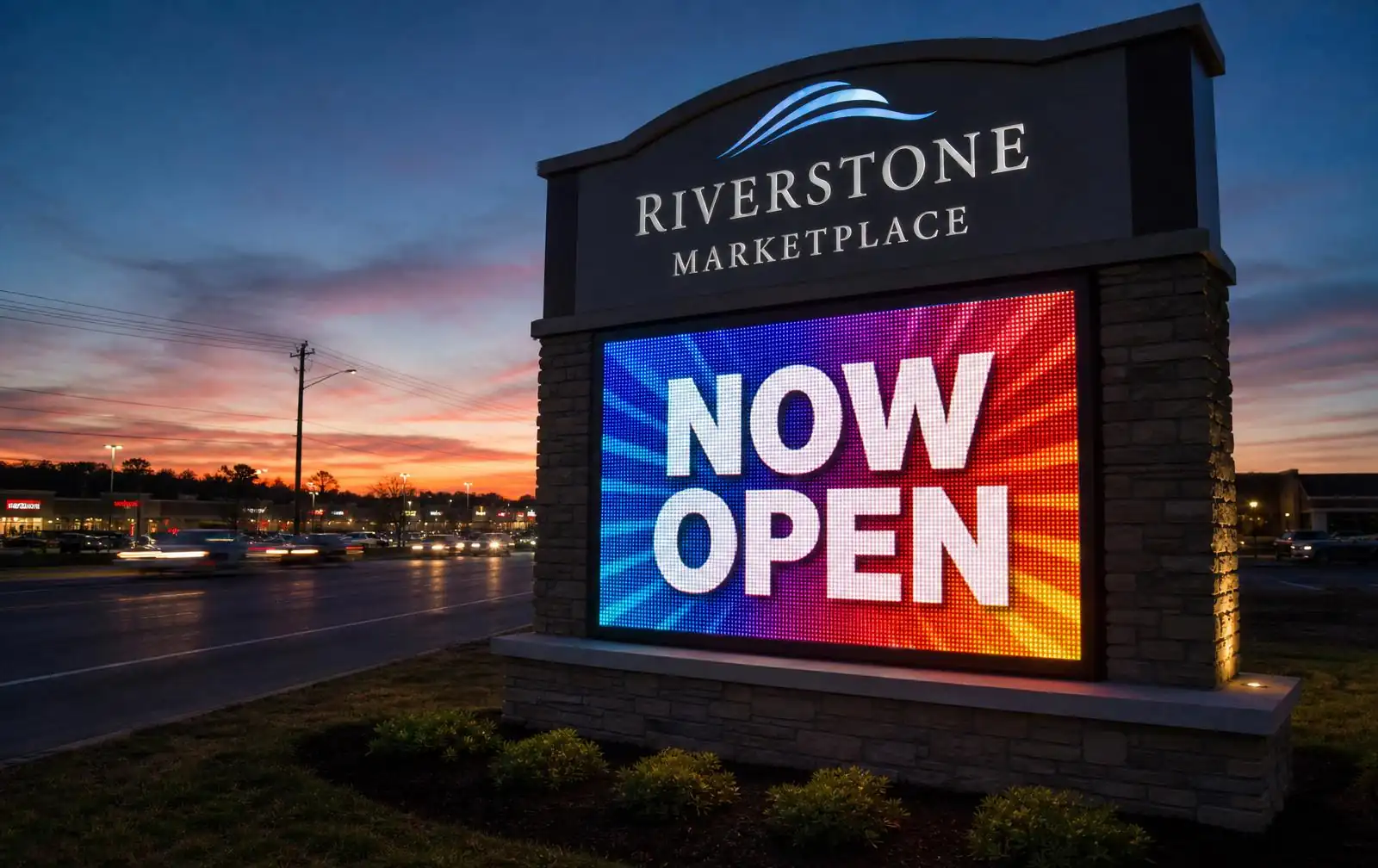
An LED message center is technically capable of video, full animation, and rapid message changes — and that's exactly why so many jurisdictions regulate what it's actually allowed to do. The hardware capability and the legal content rules are two separate questions, and confusing them is the single most common reason a client ends up disappointed with a sign that can do more than the city allows.
Here's what actually gets regulated on electronic message centers in Washington, and why it's worth confirming before you spec the hardware.
Dwell time — how long a message has to stay up
Most Washington jurisdictions require a minimum dwell time before a message can change — commonly 8 seconds, with some cities requiring 30 seconds or more. This exists for driver safety: a message that changes too fast is a distraction risk, not just a design choice.
Transition style in Southwest Washington
- Static change only — the most common restriction; the message simply cuts to the next one, no animation
- Fade transitions — sometimes allowed where straight animation isn't
- Scrolling and full animation/video — restricted or banned outright in many jurisdictions, especially near residential zoning
Brightness limits in Southwest Washington
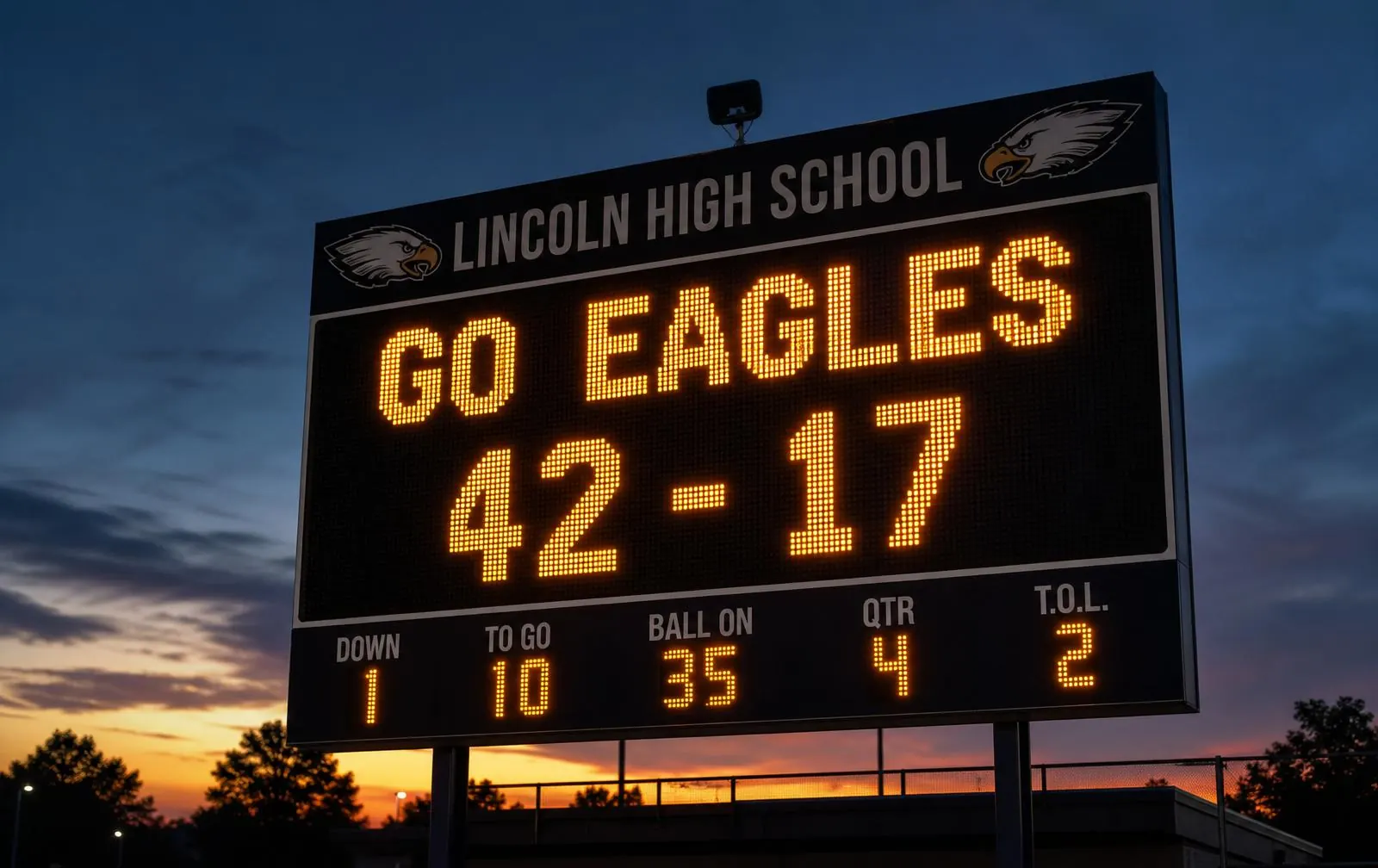
Outdoor EMCs need real brightness — 6,500 to 8,000 nits — to compete with direct sunlight, but that same brightness is a nuisance at night without automatic dimming. Nearly every jurisdiction requires a photocell-controlled auto-dimming feature that drops output substantially after dark, and some set specific nit caps, especially near residential zones.
Content restrictions beyond animation
- Some jurisdictions restrict third-party advertising on an on-premise EMC, limiting content to the business's own messaging
- Public safety and emergency alert carve-outs sometimes apply, allowing content types otherwise restricted
- Total signage area — the EMC often counts toward a property's overall allowed sign area, which can limit how much other signage is permitted alongside it
Why this varies so much by city
Digital sign code sits at the intersection of driver safety, light pollution concerns, and neighborhood character — three things every city weighs differently. Chehalis and Centralia, for instance, both restrict animation, but specific dwell time and brightness requirements should always be confirmed directly with the jurisdiction rather than assumed to match a neighboring city.
How to avoid a mismatch between hardware and code
- Confirm dwell time, transition rules, and brightness caps with your jurisdiction before finalizing the EMC spec
- Ask your sign company whether the proposed hardware is being configured to those specific limits, not just capable of exceeding them
- If you operate in multiple jurisdictions, don't assume the rules match from one city to the next
Frequently asked questions
- Can I run video content if my EMC is technically capable of it?
- Only if your jurisdiction's code allows it — hardware capability and legal permission are separate. Many cities restrict transitions to static changes regardless of what the display itself can do.
- Does auto-dimming happen automatically, or does someone have to adjust it manually?
- Quality EMCs use a photocell sensor to adjust brightness automatically based on ambient light, without manual input. This is also typically a code requirement, not just a nice-to-have feature.
- What happens if my EMC content doesn't comply with local code?
- Code enforcement can require reprogramming the sign to comply, and in some cases assess a violation notice with a compliance deadline. It's far cheaper to configure correctly from install day than to retrofit content rules after a complaint.
Talk to ESCO Pacific
Have a sign project in mind?