Permits & Compliance
Sign Variance Requests: When Your Sign Doesn't Meet Code
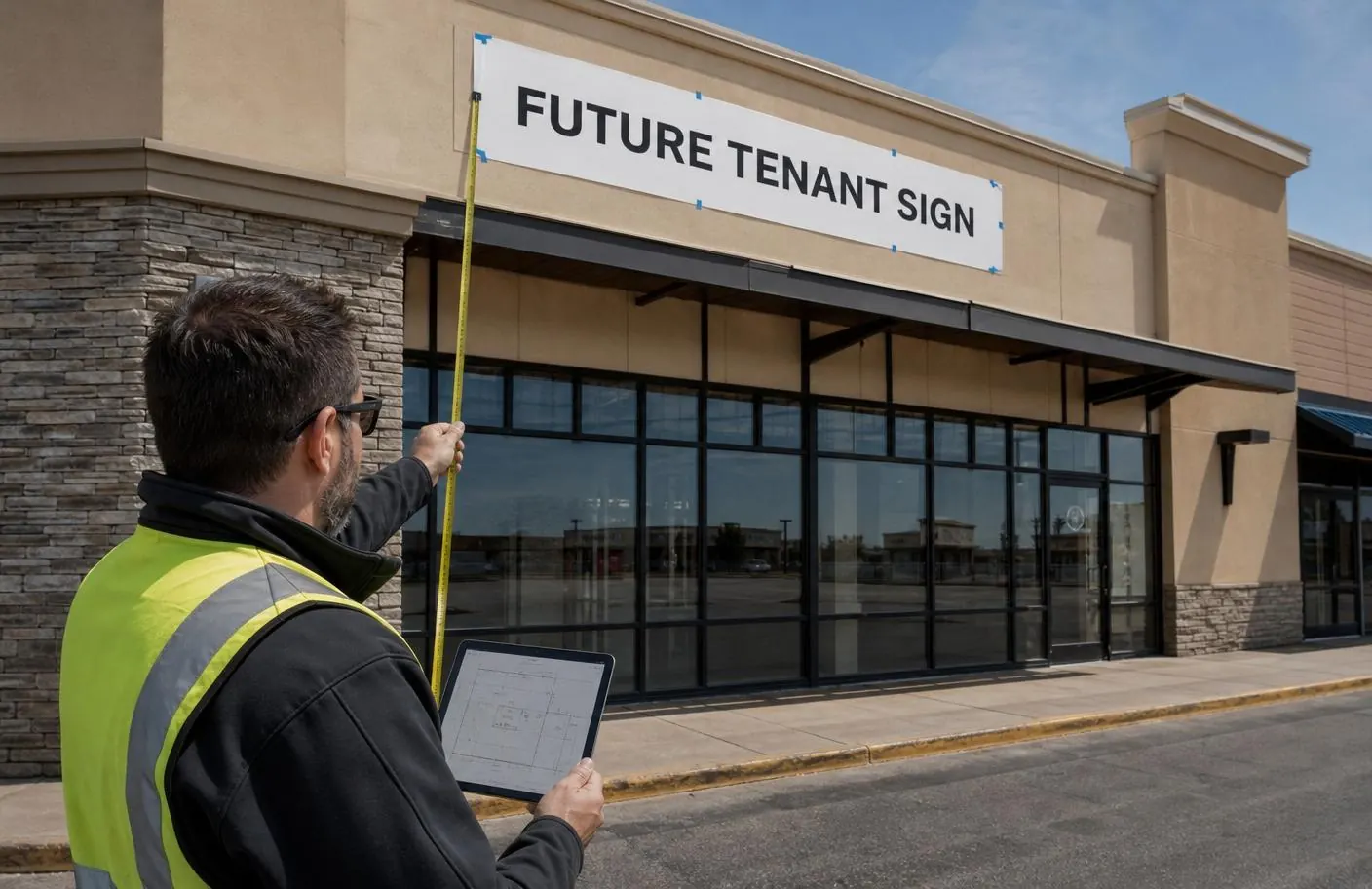
Sometimes the sign that makes sense for your building simply doesn't fit the code — it's too tall, too close to the property line, or too large for the allowed signage area. A variance is the formal process for asking a jurisdiction to approve an exception. It's a real option, but it's slower, less certain, and more involved than most people expect going in.
Here's what a variance request actually involves, when it's worth pursuing, and what realistic odds and timeline look like.
What triggers a variance request
- A sign that exceeds the maximum allowed height for its zoning district
- A freestanding sign that can't meet the required setback from the property line or right-of-way
- Total signage area beyond what's allowed for the building or lot
- A sign type not permitted at all in a specific zoning district
The general variance process
A variance application typically requires demonstrating a specific hardship — some characteristic of the property (unusual lot shape, setback conflicts with an existing structure, topography) that makes strict code compliance genuinely difficult, not just less ideal for the business. "We'd prefer a bigger sign" alone generally isn't a hardship argument that succeeds.
Realistic timeline in Southwest Washington
Variance requests typically take 8-16 weeks, sometimes longer if a public hearing or neighborhood notification period is required — both common parts of the process. This is significantly longer than a standard sign permit, and there's no guarantee of approval at the end of it.
What strengthens a variance application
- A clear, documented hardship specific to the property — not just a business preference
- A design that requests the minimum exception necessary, rather than the maximum possible deviation from code
- Support from a sign company experienced in your jurisdiction's variance process and documentation standards
- In some cases, neighboring property or business support for the request
When it's worth pursuing vs. when it's not
- Worth pursuing: a genuine property hardship exists, the timeline has flexibility, and the difference between a compliant sign and the desired sign is meaningful to the business
- Often not worth it: the only justification is preference, the timeline is fixed and tight, or the requested deviation from code is substantial
Alternatives to a variance
Before committing to a variance timeline, it's worth exploring whether a redesign within code — a different sign type, a slightly smaller sign, or a different mounting approach — achieves most of the same goal without the extended review and uncertainty. Often, an experienced sign designer can find a code-compliant solution that gets close to the original vision.
Frequently asked questions
- What are the odds a sign variance gets approved?
- It varies significantly by jurisdiction and the strength of the hardship argument — there's no universal approval rate. A well-documented, minimal-deviation request with a genuine property hardship has a meaningfully better chance than a request based purely on preference.
- Can I install my sign while the variance is under review?
- No — installing before approval risks having to modify or remove the sign if the variance is denied. Wait for a final decision before fabricating or installing anything that depends on the exception being granted.
- Does a variance apply permanently to the property, or just to the current sign?
- This varies by jurisdiction and how the variance is written — some run with the property, others may be tied to a specific sign or expire if the sign is removed or significantly altered. Confirm the specifics with the approving jurisdiction.
Talk to ESCO Pacific
Have a sign project in mind?