Guides & Education
Partial Wrap vs. Full Wrap: Cost and Coverage Compared

The full-wrap-versus-partial-wrap decision usually comes down to one honest question: how much of the vehicle actually needs to carry the message? A full wrap maximizes visual impact and paint protection. A partial wrap gets most of the attention-grabbing power at a meaningfully lower cost. Neither is the "correct" choice in the abstract — it depends on your budget and what the vehicle needs to do.
Here's a direct comparison to help you land on the right coverage level for your vehicle or fleet.
What counts as partial vs. full
- Full wrap: every exterior body panel covered in printed vinyl, bumper to bumper
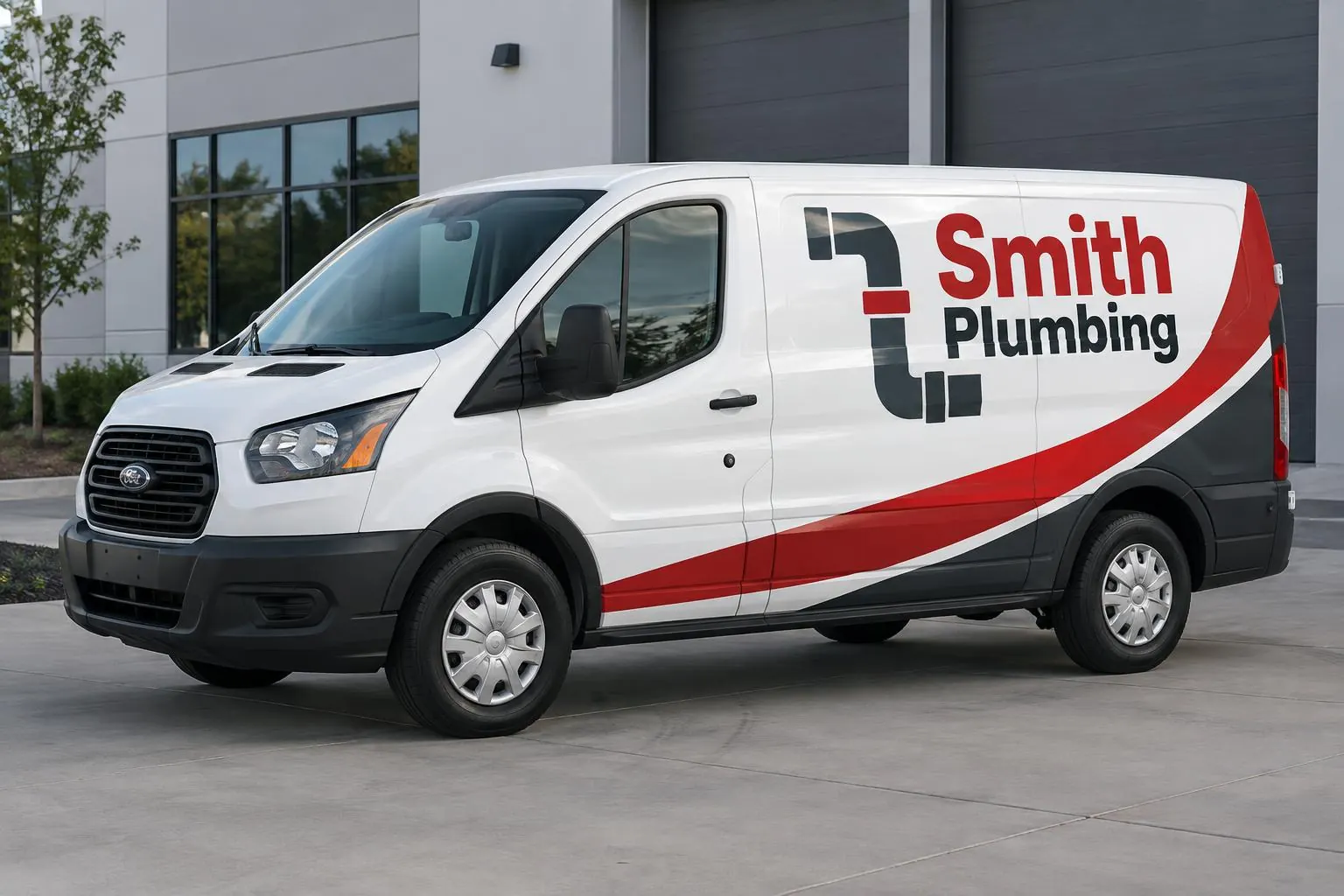
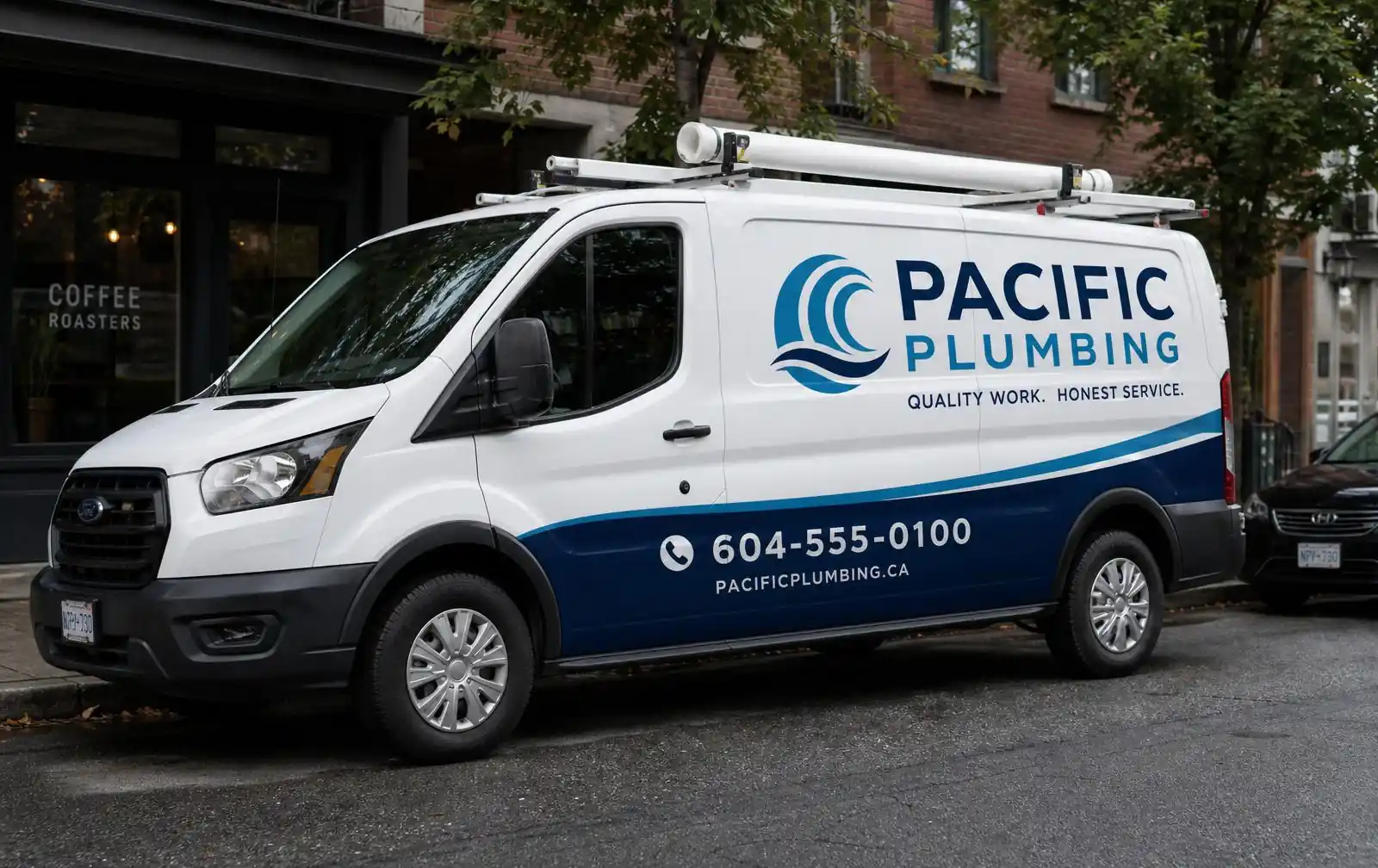
- Partial wrap: a defined portion — rear quarter panels, hood, cargo doors, or a side panel — with factory paint showing through the rest
- Cut vinyl graphics (not a wrap, but adjacent): logo, phone number, and web address on key panels only
Cost comparison in Southwest Washington
Partial wraps generally run 20-60% of a full wrap's cost for the same vehicle, depending on how much coverage is included.
- Cargo van full wrap: $4,500 – $7,000
- Cargo van partial wrap: roughly $1,500 – $4,000 depending on coverage
- Box truck full wrap: $6,000 – $12,000
- Box truck partial wrap: roughly $2,000 – $6,500 depending on coverage
Visual impact — how much do you actually lose?
Less than you'd think, if the partial wrap is designed well. A wrap designed around the vehicle's panel lines — hood, cargo doors, rear quarter panels — reads as intentional rather than incomplete. The mistake is treating a partial wrap as a shrunk-down full wrap design; it needs its own layout built for the specific panels being covered.
Paint protection: a real factor, not just marketing
A full wrap protects 100% of the body from UV fade and minor scratches for the life of the wrap — a meaningful consideration for fleet vehicles being resold after 3-5 years. A partial wrap only protects the covered panels, leaving the rest of the factory paint exposed to normal wear.
Fleet considerations
For multi-vehicle fleets, partial wraps can stretch a branding budget across more vehicles — covering 8 vans partially often costs less than fully wrapping 4. If uniform fleet appearance matters more than maximizing any single vehicle's visual impact, that math is worth running before committing to full wraps across the board.
Frequently asked questions
- Can I start with a partial wrap and upgrade to full later?
- Yes, and it's a common approach. Just flag the intent to your installer up front — the design can be built to expand cleanly rather than needing a full redesign when you add coverage.
- Does a partial wrap look cheap compared to a full wrap?
- Not if it's designed for partial coverage from the start. A well-designed partial wrap built around the vehicle's actual panel lines reads as a deliberate design choice, not a budget compromise.
- Which one generates more impressions — full or partial?
- Full wraps generate somewhat more attention simply due to coverage area, but the gap is smaller than most people expect. A bold, high-contrast partial wrap with a clear message often outperforms a cluttered full wrap.
Talk to ESCO Pacific
Have a sign project in mind?