Guides & Education
Dimensional Letter Signs vs. Flat-Cut Signs: Cost and Durability

Every custom sign quote eventually comes down to a two-way fork: dimensional letters that project off the wall, or flat-cut graphics that sit flush to the surface. Both put your business name where people can see it. They are not, however, interchangeable — the choice changes your budget, your install timeline, and how the sign ages over the next decade.
This guide breaks down the real differences: what each construction method actually is, how they compare on cost and durability, and the handful of situations where one is clearly the better call.
What's the actual difference?
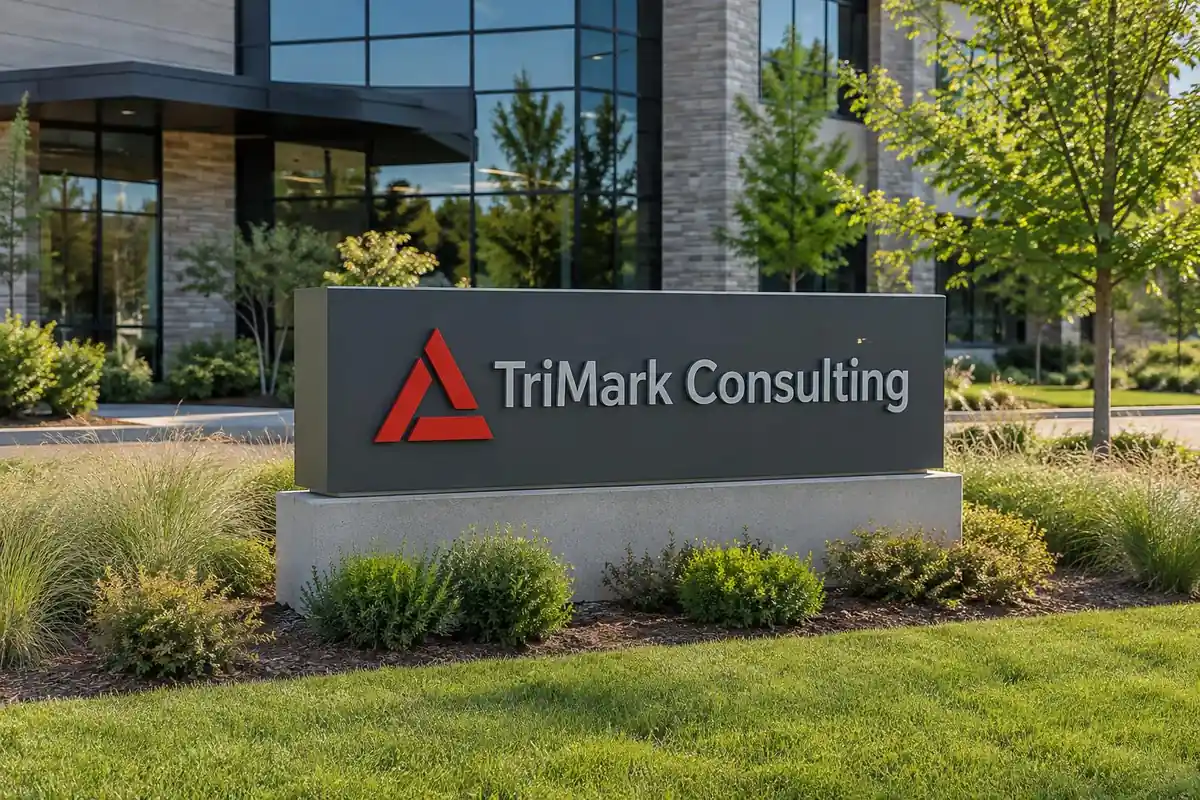
A flat-cut sign is a single flat piece — routed acrylic, aluminum composite, or printed vinyl on a substrate — mounted directly to the wall. The letters or logo have thickness (usually 1/4" to 1/2"), but no internal structure. It's a 2D object.
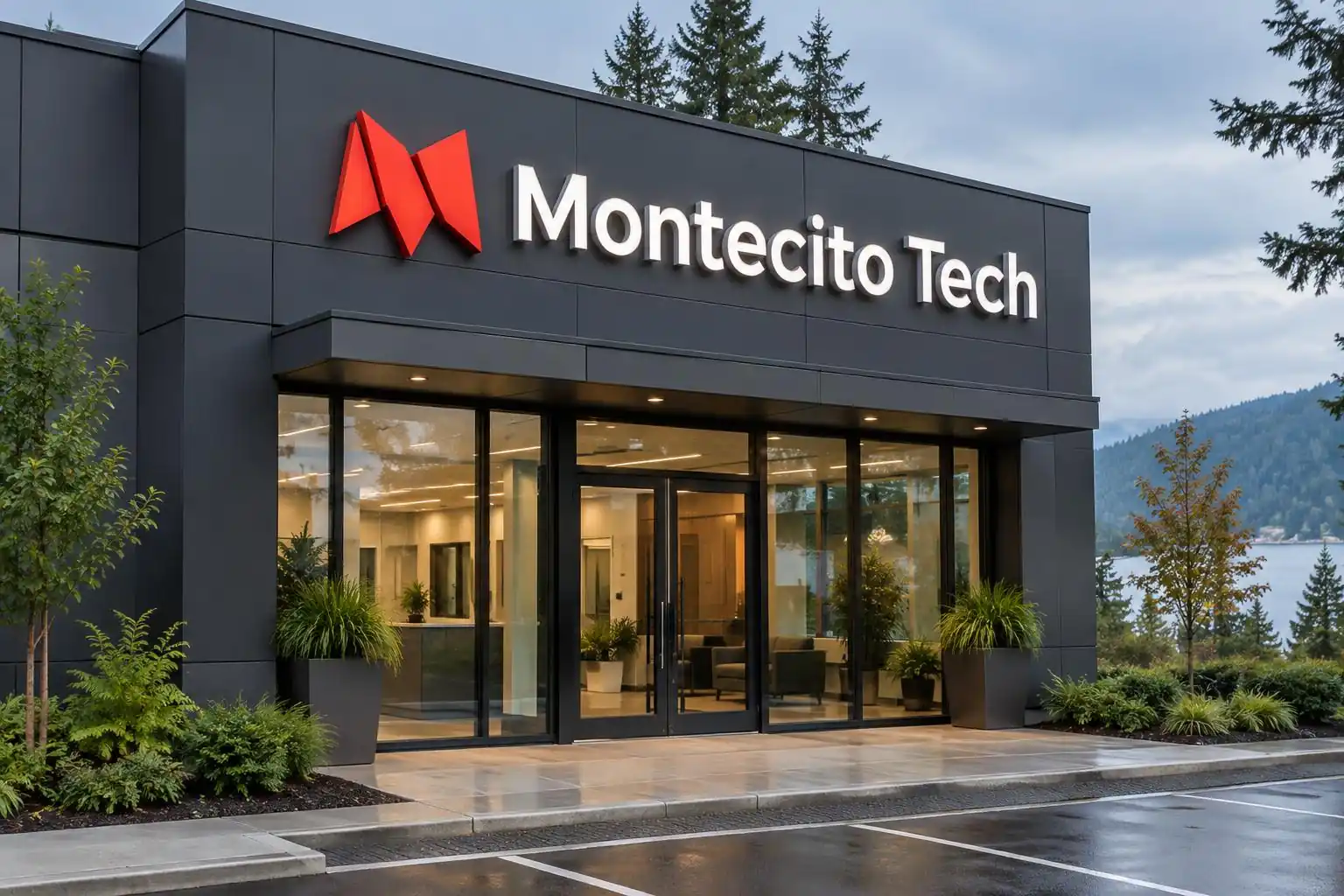
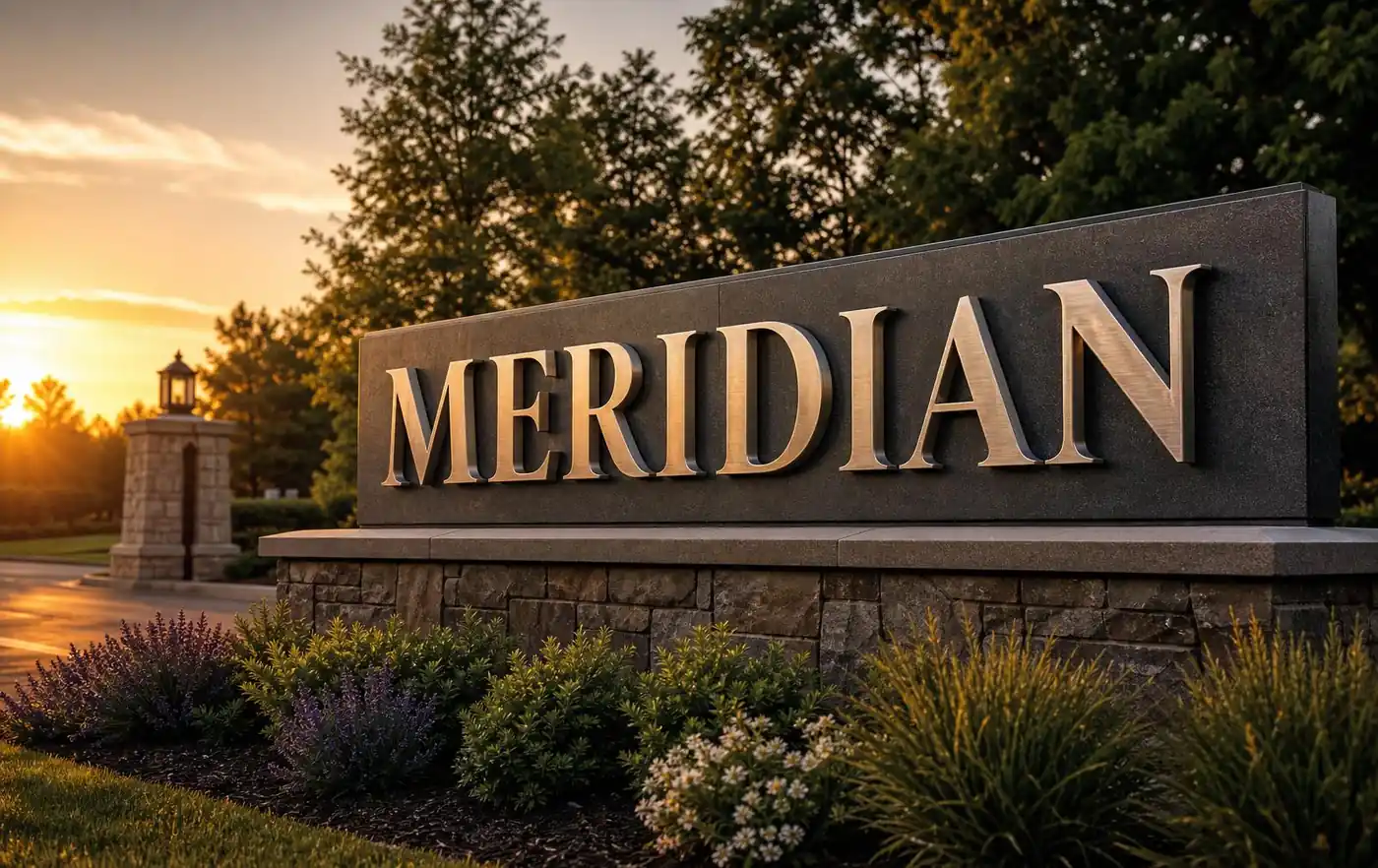
A dimensional letter is a fabricated 3D object — an aluminum or acrylic return (the 'sides' of the letter) with a face, standing off the wall on studs or standoffs, usually 1" to 5" deep. It casts a real shadow and reads with depth from any angle.
Cost comparison in Southwest Washington
Flat-cut is the budget option because it's a single-pass cut with no forming, welding, or standoff hardware. Dimensional letters cost more at every step — more material, more labor, more mounting hardware — but the price gap narrows on smaller signs and widens fast as letter count and height go up.
- Flat-cut exterior wall sign (single business name): $1,500 – $5,000
- Dimensional wall sign, non-illuminated: $4,000 – $9,000
- Illuminated dimensional letters (channel letters): $6,500 – $12,000 for a standard retail set
- Interior flat-cut logo or lobby sign: $800 – $3,000
Durability and lifespan
Dimensional letters, built with aluminum returns and a properly sealed acrylic or metal face, hold up 15-20+ years outdoors. The standoff mount keeps the letter face away from the wall, which helps with drainage and reduces the water-staining you sometimes see behind flush-mounted flat panels.
Flat-cut signs last well too — 10-15 years is typical for routed acrylic or aluminum composite — but a flush-mounted panel is more exposed to direct water sheeting down the wall, and a single scratch or impact on the face is more visually obvious than on a returned dimensional letter.
Where flat-cut wins in Southwest Washington
- Budget-constrained projects that still need a professional look
- Interior signage where there's no weather exposure to worry about
- Temporary or short-term locations where a full dimensional build isn't worth the investment
- Landlord or lease situations where the tenant improvement budget is fixed
Where dimensional wins
- Storefronts and building identification where brand perception matters
- Illuminated signage — dimensional letters are what makes channel letter lighting possible
- Any sign viewed head-on from a distance, where shadow and depth improve legibility
- Long-term installations where the extra upfront cost amortizes over 15+ years
A hybrid option worth knowing
You don't have to pick one for the whole sign. A common approach on multi-word signage is a dimensional logo mark paired with flat-cut supporting text — the eye-catching element gets the depth and shadow, the smaller text stays budget-friendly. It's one of the easiest ways to control cost on a larger sign without losing the premium feel entirely.
Frequently asked questions
- Can a flat-cut sign be upgraded to dimensional later?
- Not usually as a retrofit — the wall penetrations, mounting hardware, and material thickness are different from the start. If there's a chance you'll want dimensional letters down the road, it's worth budgeting for it now rather than replacing a flat-cut sign later.
- Do dimensional letters need more maintenance than flat-cut signs?
- Not significantly. Both need periodic cleaning and an occasional check of fasteners and sealant. Illuminated dimensional letters add LED and power supply maintenance to the mix, which flat-cut (non-illuminated) signs don't have.
- Which one looks better in photos and on social media?
- Dimensional letters generally photograph better because the shadow and depth read clearly even in flat lighting. Flat-cut signs can look great too, but they rely more on color contrast and finish quality since there's no shadow to work with.
Talk to ESCO Pacific
Have a sign project in mind?